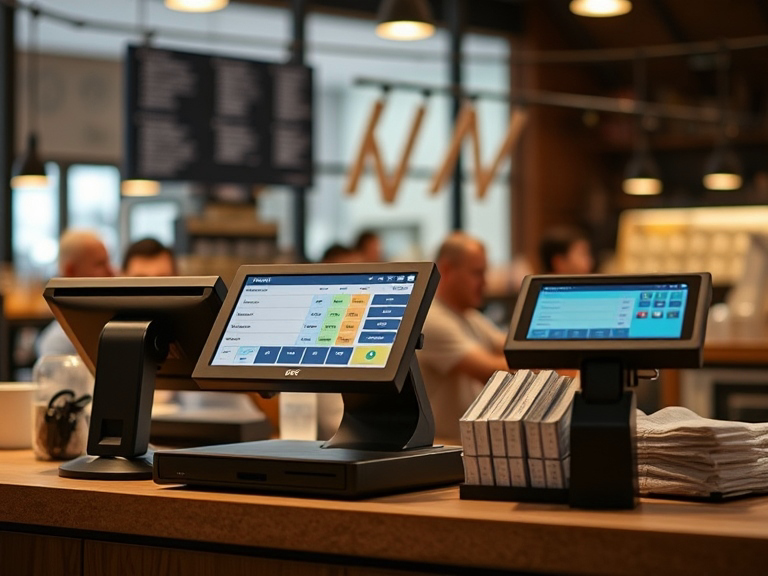
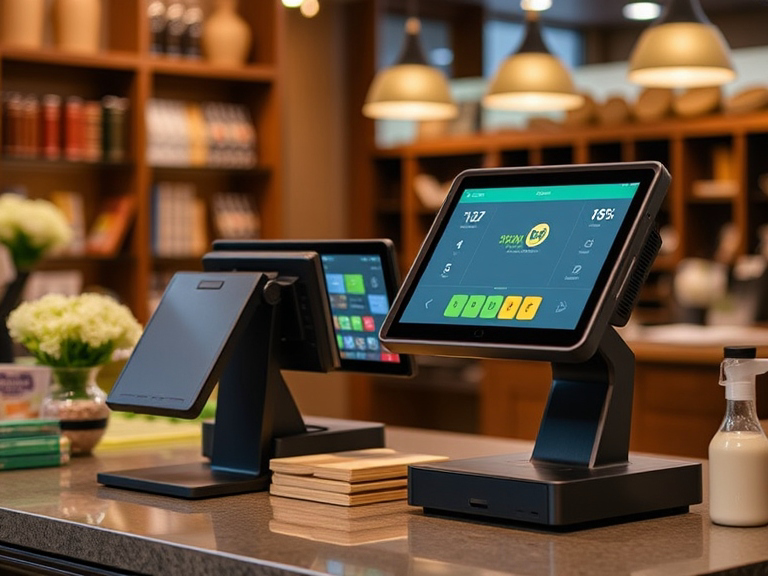
If you’re running a business in 2025, one of the most critical decisions you’ll make is choosing the right Point of Sale (POS) system. Whether you’re operating a bustling retail store, a cozy restaurant, or an online marketplace, your POS system is at the heart of everything—from processing transactions to managing inventory and tracking sales.
With the rapid advancements in technology, the most popular POS systems today are far more than simple cash registers. These modern systems integrate seamlessly with your business processes, offering features like real-time inventory management, customer relationship management (CRM), detailed analytics, and much more.
But how do you choose the best POS for your specific business needs? In this detailed guide, we will break down everything you need to know about the most popular POS systems in 2025, including their features, pricing, and the pros and cons of each. We’ll also cover the latest trends in POS technology to help you make an informed decision.
What Exactly is a POS System and How Does It Work?
A Point of Sale (POS) system is a combination of hardware and software used to manage and complete sales transactions. At its core, it’s the place where a customer completes their purchase in your store or online. However, the capabilities of today’s POS systems extend far beyond just accepting payments.
Components of a POS System:
- Hardware: This includes devices like a cash register, receipt printer, barcode scanner, credit card reader, and a POS terminal (often a tablet or touchscreen monitor).
- Software: The software is the backbone of your POS system. It processes transactions, manages inventory, tracks sales, generates reports, and sometimes even helps with payroll and employee management.
- Payment Processing: POS systems are integrated with payment gateways to accept various forms of payments, such as credit/debit cards, mobile wallets, or even gift cards.
Key Features to Look for in the Most Popular POS Systems
Selecting the best POS system goes beyond just choosing the cheapest or most popular option. To find the right one, you’ll want to ensure it has features that will meet your unique business requirements. Here are the key features to consider:
1. Ease of Use
Your POS system should be intuitive and user-friendly, especially if you have a team of employees who aren’t tech-savvy. A system that’s easy to learn will help reduce training time and minimize operational disruptions.
2. Payment Processing Flexibility
The best POS systems are flexible in terms of payment acceptance. In 2025, customers expect businesses to accept not only credit and debit cards but also mobile wallet payments, such as Apple Pay, Google Pay, and even cryptocurrency in some cases.
3. Real-Time Inventory Management
Gone are the days when you had to manually count your stock. Today’s POS systems come with inventory tracking that updates in real-time as sales are made. This feature can help prevent stockouts, reduce overstock, and provide you with insights into product trends.
4. Detailed Reporting and Analytics
To grow your business, you need to understand your sales trends, customer preferences, and employee performance. Modern POS systems offer detailed analytics and reporting tools that provide insights to help you make data-driven decisions.
5. Integration with Other Business Tools
Whether you’re using accounting software, customer relationship management (CRM) tools, or an e-commerce platform, your POS system should integrate easily with other software to create a unified ecosystem. This eliminates the need for manual data entry and minimizes errors.
6. Cloud-Based vs. On-Premise Systems
Cloud-based POS systems store your data online, giving you access to it from anywhere. They often come with a monthly subscription fee, but they tend to be more affordable upfront. On-premise systems are installed on local servers and typically require higher upfront costs but lower ongoing expenses.
Top POS Systems in 2025: A Comparison of Popular Choices
Now that we’ve covered the essential features to look for, let’s dive into a detailed comparison of some of the most popular POS systems for 2025. We’ll break down the pros, cons, and pricing to help you decide which system fits your business needs.
1. Square POS: Best for Small Businesses and Mobile Vendors
Square POS is one of the most widely used POS systems due to its affordability, ease of use, and flexibility. Whether you’re a small retail store or a food truck vendor, Square provides a mobile-friendly POS solution that lets you accept payments anywhere.
- Key Features: Mobile payments, inventory management, employee management, free basic plan, and support for both online and offline transactions.
- Pros: No monthly fee for the basic plan, easy setup, integrates with other business tools like QuickBooks and Xero.
- Cons: Limited advanced reporting tools in the free version, transaction fees can add up.
- Best For: Small businesses, pop-up shops, mobile vendors.
2. Shopify POS: Best for E-Commerce Businesses Going Physical
Shopify POS is an excellent choice for e-commerce brands that want to integrate their online and offline sales. If you’re already using Shopify to run your online store, their POS system makes it easy to manage your in-person sales with the same platform.
- Key Features: Inventory synchronization across online and offline channels, multi-location support, robust customer profiles, and advanced reporting.
- Pros: Seamless integration with Shopify, great for omnichannel businesses, solid customer management tools.
- Cons: Monthly subscription fees can be high for small businesses, and some advanced features are only available on higher-tier plans.
- Best For: E-commerce businesses that want to expand into brick-and-mortar retail.
3. Lightspeed POS: Best for Multi-Location Businesses
Lightspeed POS is known for its scalability and ability to handle the needs of both retail and restaurant businesses. If you plan to expand your business or manage multiple locations, Lightspeed offers powerful tools to manage it all from a single interface.
- Key Features: Multi-location management, detailed reporting, customizations, and a range of integrations with other business software.
- Pros: Great for businesses with complex needs, excellent customer support, robust reporting tools.
- Cons: Higher learning curve, pricing can be expensive for small businesses.
- Best For: Multi-location businesses in retail, restaurants, and boutiques.
4. Toast POS: Best for Restaurants and Foodservice Businesses
Toast POS is a top choice for the restaurant and foodservice industry. Unlike other POS systems, Toast is designed specifically to handle the unique needs of restaurants, cafes, and bars, including table management, order tracking, and integrated delivery services.
- Key Features: Table management, menu management, kitchen display systems, and integration with delivery apps.
- Pros: Ideal for restaurants, easy to scale as you grow, integrated online ordering system.
- Cons: Expensive hardware, not ideal for non-food businesses.
- Best For: Full-service restaurants, cafes, bars, and quick-service restaurants (QSRs).
5. Clover POS: Highly Customizable and Versatile
Clover POS offers flexible solutions for a wide range of industries, including retail, restaurants, and service-based businesses. Its modular design allows businesses to add hardware and software features as needed.
- Key Features: Customizable hardware, customer management tools, advanced reporting, and third-party app integrations.
- Pros: Great for businesses that need customization, supports a variety of payment methods, reliable customer support.
- Cons: Hardware costs can be high, monthly fees for higher-tier plans.
- Best For: Businesses in retail, foodservice, and service industries looking for flexibility.
Emerging Trends in POS Systems for 2025
As technology continues to advance, POS systems are evolving to meet the changing needs of businesses. Here are some emerging trends to look out for in 2025:
1. AI and Machine Learning Integration
Some of the newest POS systems are incorporating artificial intelligence (AI) to help businesses predict inventory needs, analyze customer behavior, and automate reporting.
2. Contactless Payments and Mobile POS
With the growing demand for contactless payments, POS systems are increasingly offering mobile POS features that let customers pay using their smartphones or smartwatches.
3. Integrated Loyalty Programs
Customer retention is a priority for many businesses. Some POS systems now include loyalty program integrations, allowing businesses to reward customers for repeat purchases directly through the POS interface.
Conclusion
The best POS system for your business depends on your specific needs, budget, and future growth plans. Whether you need a simple solution for a small retail store, a robust system for a multi-location restaurant, or a fully integrated e-commerce platform, there’s a POS system on the market that can meet your requirements.
From Square POS for small businesses to Toast POS for restaurants and Shopify POS for e-commerce brands, each system offers unique features to help streamline operations, improve customer service, and grow your business,
Ready to find the perfect POS system for your business? Start your search today by comparing the top options on the market and take advantage of free trials to test out which system works best for you!
FAQs
1. What is a POS system?
A POS system (Point of Sale) is a combination of hardware and software that allows businesses to process sales transactions, manage inventory, track customer data, and generate reports. It helps streamline business operations and improve customer service.
2. Which POS system is best for small businesses?
Square POS is one of the best options for small businesses due to its affordable pricing, ease of use, and mobile payment capabilities. It’s free for basic features, making it ideal for small shops, food trucks, and pop-up stores.
3. Can a POS system handle both online and in-store sales?
Yes, many modern cloud-based POS systems, like Shopify POS, integrate seamlessly with e-commerce platforms, allowing businesses to manage both online and offline sales in one unified system.
4. How much does a POS system cost?
POS system pricing varies widely depending on the provider and features. Some systems like Square POS are free for basic use, while others like Lightspeed or Shopify POS have monthly subscription fees starting from around $29/month, with additional costs for hardware.
5. Are POS systems secure for processing payments?
Yes, most modern POS systems, including Toast POS and Clover POS, are designed with PCI compliance and encryption to ensure secure processing of customer payments and sensitive data.