When managing a bar, having an efficient and reliable point of sale (POS) system is one of the most crucial investments you can make. Not only does it help streamline your sales transactions, but it also aids in inventory management, sales tracking, and enhancing customer experience. However, understanding the cost of a bar POS system can be a daunting task for many bar owners. From hardware expenses to ongoing software fees, many elements influence the overall cost.
In this comprehensive guide, we will dive deep into the factors influencing bar POS system cost, provide a breakdown of the different types of systems available, and help you make an informed decision about choosing the right system within your budget. We will also explore the return on investment (ROI) and hidden costs to ensure you’re fully prepared to make a smart purchase for your business.
What is a Bar POS System?
A Bar POS system is an integrated technology solution used by bar owners and operators to manage and track sales, inventory, customer orders, and employee performance. It typically consists of two main components: hardware (such as terminals, printers, cash drawers) and software (which manages transactions, tracks inventory, generates reports, and integrates with payment processors). The bar POS system is vital for ensuring fast, accurate, and efficient service, ultimately improving both the customer experience and the profitability of your bar.
Why Understanding the Cost of a Bar POS System Matters
Before you dive into purchasing a bar POS system, it’s essential to understand that the cost of a bar POS system goes beyond just the initial setup. Various costs accumulate over time, including subscriptions, maintenance, updates, and support. Bar owners must consider both upfront and ongoing costs to accurately evaluate the true financial impact of implementing a POS system. By understanding the costs, you’ll be better equipped to compare different POS providers, choose the right features for your bar, and make an investment that aligns with your business goals.
Key Factors Affecting Bar POS System Cost
The cost of a bar POS system depends on a variety of factors, each playing a crucial role in determining the total price. Here’s an in-depth look at the factors you should consider when evaluating the cost of a POS system for your bar:
1. Hardware Costs
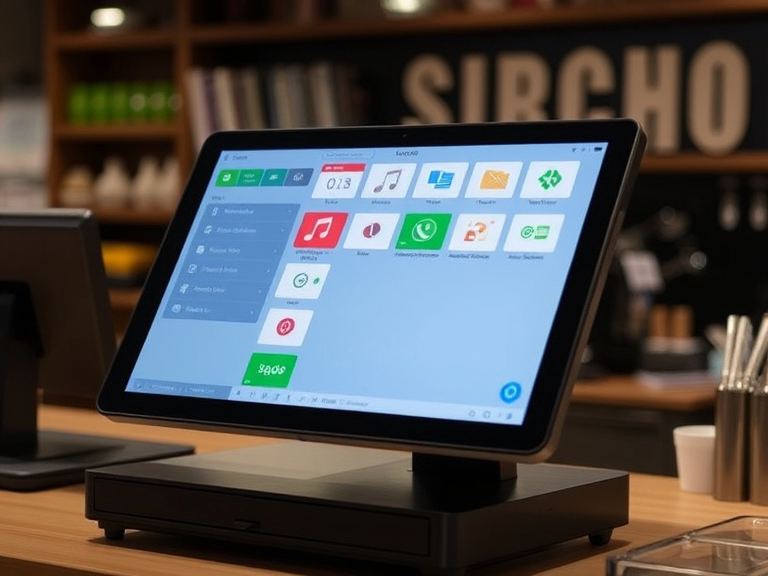
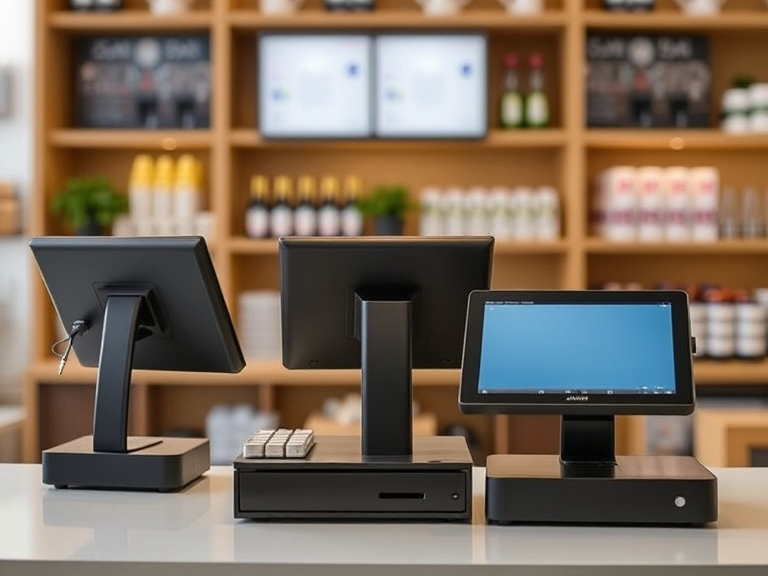
Hardware is one of the most significant expenses when setting up a bar POS system. You’ll need various devices to process transactions, track orders, and manage cash flow. The hardware cost will depend on the brand, quality, and functionality of the devices.
- POS Terminals: These devices are used to process customer orders and payments. You can expect prices to range from $500 to $2,500 for high-end terminals.
- Receipt Printers: Printing receipts for customers is a fundamental function. These typically cost between $100 and $500.
- Cash Drawers: Secure cash storage systems usually cost $150 to $300.
- Barcode Scanners: If your bar uses inventory tracking with barcodes, you’ll need a barcode scanner, which can cost around $50 to $400.
- Tablets and Touchscreens: Many modern POS systems use tablets or touchscreen devices. Expect prices from $200 to $1,000 per device, depending on the size and specifications.
While some POS providers offer bundled packages, individual hardware items can quickly add up, particularly if you require multiple terminals or mobile POS systems.
2. Software Costs
The software is the backbone of your bar POS system, managing everything from sales data and inventory to customer information and employee scheduling. The pricing structure for POS software can be broken down into two types:
- Subscription-Based Software: This is the most common pricing model for modern POS systems. Subscriptions typically range from $50 to $300 per month, depending on the system’s features and the number of users.
- Cloud-based POS systems like Square for Restaurants and Toast often follow this model, offering flexibility for scaling and remote access.
- One-Time Payment Software: Some older or on-premise POS systems require a one-time purchase of the software. These systems can range from $1,000 to $5,000, with a more substantial upfront investment. While there are no monthly fees, you will still need to account for ongoing maintenance and updates.
In addition to basic software features, many POS systems offer premium features such as advanced reporting, loyalty programs, employee management, and integrations with accounting software. These features usually come at an additional cost, either as add-ons or part of a higher-tier subscription plan.
3. Integration and Setup Costs
When adopting a new bar POS system, there may be additional costs for integration and setup. For example, integrating your POS system with payment processors (like Square or PayPal), accounting software (such as QuickBooks), and online ordering platforms may require customization.
- Payment Processor Fees: Depending on the system, these fees typically range from 2% to 3% per transaction.
- Custom Integrations: Advanced integrations or customized features for your specific needs could add anywhere from $500 to $3,000 to the initial cost, especially for bars with complex operations or multiple locations.
4. Customer Support, Training, and Maintenance
Good customer support and training are essential for maximizing the value of your POS system. Support options vary between providers, and while many systems offer basic customer service as part of the subscription fee, you may have to pay extra for premium support or training sessions.
- Training Costs: Expect to pay between $200 and $1,500 for onboarding and staff training, depending on the complexity of the system and whether it’s a one-time session or an ongoing process.
- Ongoing Support and Maintenance: Most POS providers offer ongoing support, either as part of the subscription or for an additional fee. Support packages can range from $200 to $1,000 annually. This covers software updates, troubleshooting, and emergency support.
- Hardware Maintenance: Hardware items such as receipt printers or terminals may need periodic repairs or replacements, which can add up over time. This cost can be $100 to $500 per year.
Types of Bar POS Systems and Their Costs
There are various types of bar POS systems, each with different pricing structures, features, and benefits. Here’s a breakdown of the most common types and their respective costs:
1. Traditional POS Systems
Traditional POS systems are on-premise solutions that rely on dedicated hardware and software to process transactions and manage operations. These systems tend to have higher upfront costs but offer robust features and customization options.
- Cost Range: $3,000 to $10,000 for installation (hardware + software)
- Ideal for: High-volume bars, large venues, and chains that require specialized features such as custom order screens, advanced reporting, or loyalty programs.
2. Cloud-Based POS Systems
Cloud-based POS systems have gained significant popularity in recent years. These systems operate over the internet and are typically more affordable and scalable than traditional on-premise systems. Cloud-based solutions offer automatic updates and remote access, making them a flexible option for bars of all sizes.
- Cost Range: $50 to $300 per month for software subscriptions
- Ideal for: Small to medium-sized bars, restaurants with multiple locations, or bars that require remote access and easy scalability.
3. Mobile POS (mPOS) Systems
Mobile POS systems use tablets or smartphones to handle transactions and manage orders. These systems are affordable, flexible, and often portable, making them an excellent option for bars that want to serve customers at tables, the bar, or outdoor areas.
- Cost Range: $200 to $2,000 for hardware (tablets, card readers) and software
- Ideal for: Small bars, casual venues, or bars that want mobility with minimal upfront costs.
Average Bar POS System Costs
The total cost of a bar POS system depends on your bar’s size, complexity, and requirements. Here’s a general breakdown of costs for bars of different sizes:
Small Bars (Under 100 Seats)
- Initial Setup: $1,000 to $3,000
- Ongoing Subscription: $50 to $150 per month
- Hidden Costs: $500 to $1,000 for training, hardware replacement, and software upgrades.
Medium Bars (100-250 Seats)
- Initial Setup: $3,000 to $7,000
- Ongoing Subscription: $150 to $300 per month
- Hidden Costs: $1,000 to $2,000 for customizations, integrations, and employee training.
Large Bars (250+ Seats)
- Initial Setup: $5,000 to $15,000
- Ongoing Subscription: $300 to $500 per month
- Hidden Costs: $2,000 to $4,000 for advanced features, integrations, and support.
Hidden Costs of Bar POS Systems
While upfront costs are often the most visible expenses, there are several hidden costs to consider when purchasing a bar POS system. These include:
- Transaction Fees: Payment processors typically charge 2% to 3% per transaction, which can add up, especially for high-volume bars.
- Software Upgrades: POS providers often charge additional fees for new features or upgrades, which can cost anywhere from $100 to $2,000.
- Hardware Repairs: As your POS system ages, repairs or replacements for hardware components like terminals, printers, or scanners may be necessary, leading to an added cost of $100 to $1,000 annually.
How to Choose the Right Bar POS System
Choosing the best bar POS system for your business requires balancing cost, features, and scalability. Here are some important considerations:
- Assess Your Needs: Make a list of essential features such as inventory management, reporting, and customer loyalty programs.
- Consider Scalability: Choose a system that can grow with your business, allowing you to add features, users, or locations as needed.
- Look at Long-Term Value: Consider the total cost of ownership over time, factoring in subscription fees, hardware, maintenance, and training costs.
- Evaluate Vendors: Compare different providers based on customer support, hardware options, ease of use, and pricing.
Conclusion
A bar POS system is a significant investment, but it can have a substantial positive impact on your bar’s operations, customer experience, and bottom line. By understanding the bar POS system cost—including hardware, software, integration, and ongoing support—you can make an informed decision that aligns with your budget and business goals. Be sure to factor in hidden costs and long-term benefits to ensure that your bar’s POS system is not only affordable but also provides lasting value.
By following the guidelines in this comprehensive guide, you’ll be well on your way to selecting the right POS system for your bar, ensuring that you make a wise investment that will help your business thrive.
Frequently Asked Questions (FAQ)
1. How much does a bar POS system cost on average?
- A basic system can range from $1,000 to $3,000 for small bars, while larger systems for high-volume bars may cost between $5,000 and $10,000.
2. Are there additional fees beyond the initial cost of a POS system?
- Yes, you may incur ongoing subscription fees, hardware maintenance, software upgrades, and transaction fees, which can range from $50 to $500 per month.
3. What’s the best POS system for small bars?
- Systems like Square for Restaurants and Lightspeed are affordable and ideal for smaller bars due to their lower upfront costs and cloud-based functionality.
4. How do cloud-based POS systems differ from traditional systems?
- Cloud-based systems are more flexible, cost-effective, and scalable. They operate over the internet and require fewer upfront costs, while traditional systems require dedicated hardware and have a larger upfront investment.