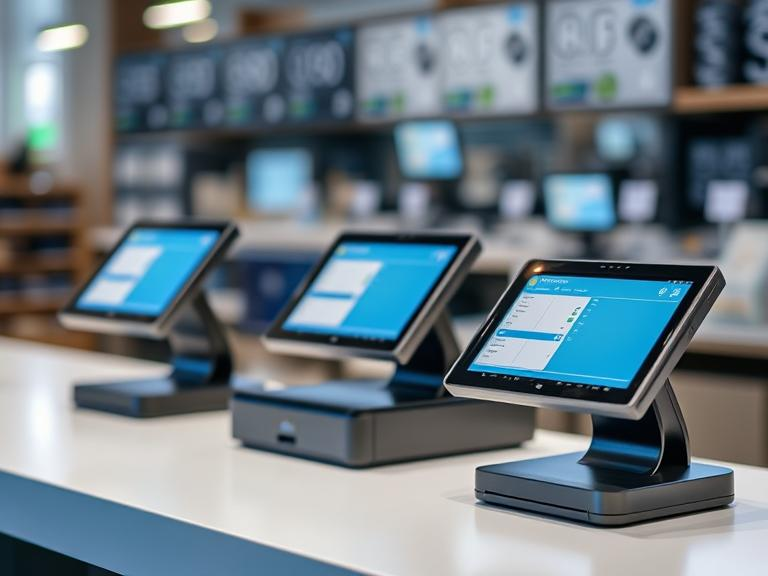
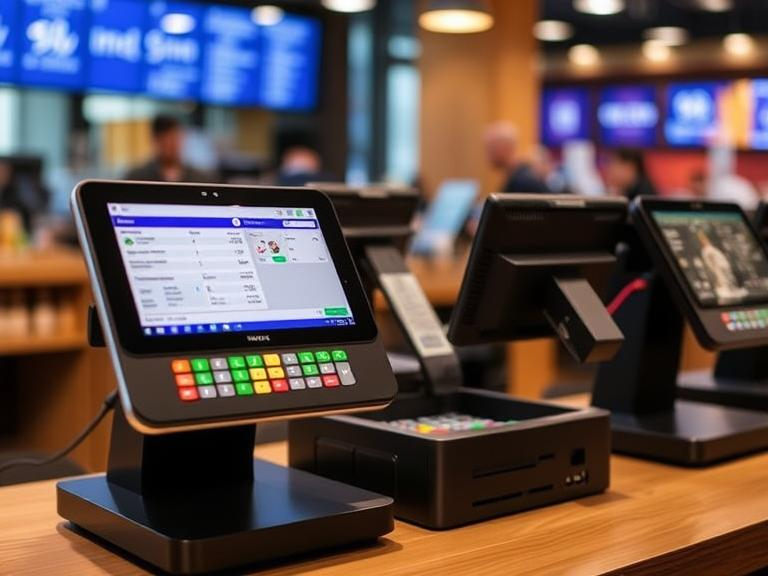
When it comes to running a business, accepting payments is a must. POS agents help businesses achieve this by setting up and maintaining point-of-sale systems that allow payments to be processed smoothly. Whether it’s in a small shop or a larger establishment, these systems are essential. But how does a POS agent make money from these systems? In this guide, we’ll break down how POS agents earn, the different ways they get paid, and why this might be a great business opportunity for you.
What Is a POS Agent?
A POS agent is someone who helps businesses set up and manage Point of Sale systems. These systems are used to process payments, whether it’s through a credit card, mobile wallet, or other digital methods. POS agents act as intermediaries between merchants (the businesses that need payment processing systems) and POS providers (the companies that make the systems).
Unlike other salespeople, POS agents are involved in a wide range of tasks. They don’t just sell a product; they provide a complete service, including helping businesses choose the right system, installing it, and offering ongoing support.
In short, a POS agent makes sure a business can accept payments efficiently and securely.
How Does a POS Agent Make Money?
Now that we know what a POS agent does, let’s dive into how they make money. There are several ways a POS agent can earn income:
1. Commissions for Sales
One of the primary ways POS agents earn money is through commissions. When an agent sells a POS system to a business, they receive a percentage of the sale. This is a one-time payment that occurs once the business signs up for the system. The more systems the agent sells, the more money they can earn.
The commission rates vary depending on the POS provider and the type of system sold. Some POS agents make higher commissions when selling more complex systems, while others may earn a flat rate for each sale.
For example, selling a mobile POS system for a small business might earn an agent a smaller commission, while selling a full-scale POS system to a larger retail store or restaurant could result in a larger payout.
2. Residual Income
Unlike regular sales jobs, residual income is a key part of earning as a POS agent. Residual income means that POS agents can continue to earn money after the initial sale, based on the transactions a business processes. In simple terms, POS agents earn money every time a customer makes a payment through the POS system they installed.
For example, if a merchant processes a payment, the POS provider takes a small fee for each transaction. The POS agent can earn a portion of that fee, which means they get paid again and again as long as the business continues to use the system. This creates a steady stream of income, making it possible for POS agents to earn more over time.
This form of income can be very appealing because it continues as long as the business keeps using the system. So, POS agents can earn money without having to make a new sale every month.
3. Bonuses and Incentives
Many POS companies offer bonuses to agents who meet or exceed certain sales goals. These bonuses are paid on top of the agent’s regular commission and residual income. Bonuses may be tied to selling a certain number of systems or reaching a specific sales target within a set period.
Incentives can also come in the form of cash rewards or gifts. For example, a POS agent who sells a high volume of systems in a given month might receive a vacation or other prizes. This motivates agents to perform better and helps them earn even more money.
4. Upselling and Add-On Services
POS agents don’t just make money from selling the POS system itself. They also earn from upselling additional features and services. These might include software add-ons, customer support packages, or equipment upgrades like barcode scanners and receipt printers.
If the POS provider offers services like customer loyalty programs or inventory management, the agent can sell these add-ons to businesses for an extra fee. Every time a business purchases one of these additional services, the agent earns more money.
5. Referral Fees
Another way POS agents make money is through referral fees. Some POS companies pay agents for referring businesses to them, even if the agent doesn’t directly sell the system. If a POS agent refers a business to a provider and the business decides to buy a system, the agent might receive a referral fee for the lead.
Referrals are especially useful for POS agents who may not have the time or resources to sell a system directly but still want to earn extra income by connecting businesses with the right POS providers.
Factors That Affect How Much Money a POS Agent Can Make
While POS agents can earn substantial amounts of money, several factors influence how much they earn. These include:
1. Sales Volume
The more transactions a merchant processes through the POS system, the more the agent can earn. A business that processes thousands of payments per month offers the potential for a higher income compared to a small business that processes fewer transactions.
2. Type of Business
Certain types of businesses have higher earning potential for POS agents. For example, restaurants, retail stores, and gas stations often need more advanced POS systems, which means the agent can earn a higher commission and a bigger residual income. Smaller businesses or mobile services may offer less income.
3. Merchant Relationships
Building a strong relationship with merchants can also impact an agent’s earnings. A POS agent who establishes long-term relationships with businesses is more likely to receive referral business and repeat clients.
4. Geographic Location
The demand for POS systems varies depending on the area. In some regions, businesses are more likely to adopt advanced payment systems, which creates more opportunities for POS agents to earn money.
5. Knowledge and Experience
A more experienced POS agent who understands different POS systems and can provide great customer service is likely to earn more than a newcomer. Knowledge about the product and market trends can help agents upsell effectively and close deals faster.
Becoming a POS Agent: Is It Right for You?
Becoming a POS agent can be a lucrative career, especially for those who enjoy sales and building relationships. With flexible working hours and the ability to earn passive income, it’s an appealing opportunity for many people.
If you’re thinking about becoming a POS agent, here’s why it could be a good fit:
- Low startup costs: You don’t need to invest in expensive products or a physical store to start.
- Flexibility: You can work from anywhere and set your own hours.
- Ongoing income: With residual income, you can continue earning long after making the sale.
However, like any business opportunity, there are challenges. It requires persistence, a good understanding of the products you’re selling, and the ability to build trust with merchants.
Challenges of Being a POS Agent
While being a POS agent can be rewarding, there are some challenges to keep in mind:
- High competition: Many businesses use POS agents, which means you’ll need to stand out and offer exceptional service.
- Training: It takes time to understand the different POS systems and how they work for various businesses.
- Maintaining relationships: To earn residual income, you need to keep businesses satisfied and engaged with the POS system.
Maximizing Your Earnings as a POS Agent
To make the most money as a POS agent, here are a few tips:
- Network: The more businesses you connect with, the more opportunities you have to make sales and referrals.
- Upsell: Offer businesses extra services, like loyalty programs or additional hardware, to increase your income.
- Stay updated: Learn about the latest POS technology and payment trends so you can sell the most relevant systems.
Conclusion
A POS agent has several ways to make money, including commissions, residual income, bonuses, upselling services, and referral fees. With the right skills and persistence, POS agents can earn a steady income while helping businesses improve their payment processing systems.
If you’re ready to jump into the world of POS sales, it’s an exciting opportunity with plenty of earning potential. Start by learning about the different systems available and finding the right POS provider to work with. The more you understand the products you’re selling, the more successful you’ll be.
Ready to become a POS agent? The market for payment solutions is growing, and now is the perfect time to get started!
If you’re interested in learning more about how to get started as a POS agent or want to explore opportunities in payment solutions, contact us today! Let’s help you find the best systems to sell and maximize your earnings.
FAQs:
- How do POS agents earn money? POS agents earn money through commissions, residual income from transactions, bonuses, and upselling additional services like software and hardware.
- What is the main way a POS agent makes money? The main way POS agents make money is by selling POS systems to businesses and earning commissions from each sale and transaction processed.
- Can POS agents make passive income? Yes, POS agents can earn passive income through residual earnings from businesses that continue to process payments using the POS systems.
- Do POS agents get paid for referrals? Some POS agents earn money through referral fees by connecting businesses with POS providers, even if they don’t directly make a sale.
- What are bonuses for POS agents? POS agents often earn bonuses for hitting sales targets, successfully upselling additional services, or exceeding their performance goals.