
The Point of Sale (POS) industry has rapidly expanded in recent years, offering incredible opportunities for individuals looking to tap into a profitable and flexible career. If you’re wondering how to become a POS agent or curious about starting your own POS business, this guide is for you. We’ll walk you through everything you need to know, from POS fees to how to get a POS machine and how to become a POS installer.
Whether you’re looking to become a Moniepoint POS agent, a Baxi POS agent, or a PalmPay POS agent, we’ll cover all your options. Let’s dive into the essential steps of entering the POS business!
What is a POS System?
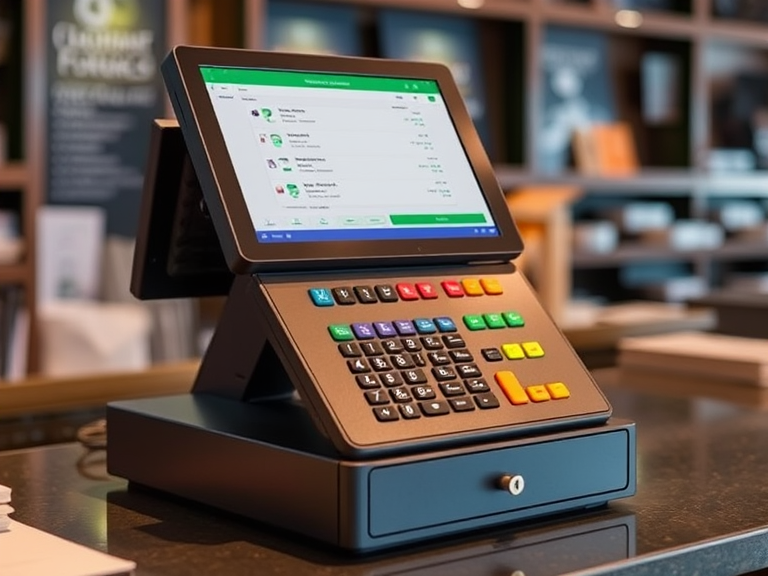
Before we explore how to become a POS agent, let’s understand what a POS system is. POS stands for Point of Sale, which refers to the system used by businesses to process payments. A POS system typically includes hardware like card readers, receipt printers, and software for tracking sales, inventory, and customer data. As a POS agent, your job is to sell, install, and maintain these systems for businesses looking to improve their payment processes.
How Much Does it Cost to Become a POS Agent?
How Much Does a POS License Cost?
When starting as a POS agent, one of the first questions you’ll have is, “How much does a POS license cost?” The cost to obtain a POS license varies depending on the provider. For example, if you’re becoming an agent for Moniepoint, PalmPay, or Baxi, some licenses are free, while others may require a small fee to cover setup costs. Typically, how much it costs to apply for POS is determined by the provider’s commission structure, training, and support services.
How Much Does it Cost to Start a POS System?
Another common question is, “How much does it cost to start a POS system?” POS systems can range from basic solutions to customized, high-end systems. On average, the cost of a POS station (including hardware and software) can be anywhere from $300 to $2,500. However, custom POS setups for large businesses or specific needs may come at a higher cost.
How Much Do POS Agents Charge?
As a POS agent, your earnings typically come from commissions on sales and installations. POS agents charge clients based on the complexity of the system and any additional services (like maintenance or support). The amount POS agents charge can vary greatly, but expect a commission rate of 10%-30% for each sale.
How to Become a POS Agent
What is a POS Qualification?
One of the first steps in how to become a POS agent is ensuring you have the right POS qualification. While formal education isn’t always necessary, it’s important to understand how POS systems work, including their hardware and software components. Some POS providers may require you to complete specific training or certification programs to become a certified POS agent.
How Do POS Agents Get Paid?
POS agents typically make money through a commission-based structure. How do POS agents get paid? Agents receive a percentage of the sales from the POS systems they sell and install. This can include:
- Initial sales commissions from the POS system.
- Installation fees for setting up the system at the client’s location.
- Residual income from ongoing services such as transaction processing, maintenance, or support.
How Much Does POS Make?
A question that often comes up is, “How much does POS make?” POS agents can earn significant income based on their sales volume and the commission structure of the provider they work with. On average, POS agents can make anywhere from $30,000 to $100,000 annually, depending on the number of sales and clients they serve.
Step 1: How to Start Your Own POS Business
How to Start a POS Business
Starting your own POS business involves several key steps. You need to decide whether you want to become a POS provider, work with a company as an independent agent, or offer installation and maintenance services. Here’s a step-by-step guide to help you get started:
- Choose a POS provider: If you’re just starting, consider working with established providers like Clover, Moniepoint, PalmPay, or Baxi. You’ll want to understand their products, commission structure, and training resources.
- Register your POS business: Once you’ve chosen your provider, it’s time to register your POS business with the appropriate government agency. This may involve registering as a sole proprietorship, LLC, or corporation.
- Create a business plan: A detailed business plan will help you understand the costs involved in starting a POS business, identify your target market, and outline your marketing strategies.
- Secure funding: Depending on your business model, you may need capital for purchasing POS systems, marketing your services, or hiring employees.
- Market your business: Network with local businesses, offer online demos, and highlight the benefits of using modern POS systems for efficiency and security.
How Do I Become a POS Installer?
If you’re technically inclined, becoming a POS installer could be a lucrative career path. POS installation involves setting up and configuring POS hardware and software at a client’s location. To become a POS installer, you need to:
- Gain technical expertise: Learn the ins and outs of various POS systems, including how to install, configure, and troubleshoot them.
- Get certified: Some POS companies offer certification programs for their systems. Completing these programs can make you a more attractive candidate for businesses looking for POS installers.
- Offer installation services: Once you’re certified, you can begin offering POS installation as a service to businesses.
Step 2: How Do I Become a POS Agent for Specific Providers?
How to Become a Moniepoint POS Agent
If you’re interested in becoming a Moniepoint POS agent, you’ll need to sign up with Moniepoint’s reseller program. Moniepoint is a popular provider in Nigeria, offering affordable POS solutions for businesses. Once registered, you can begin selling and installing Moniepoint POS systems and earn commissions.
How to Become a Baxi POS Agent
Baxi POS agents have the opportunity to provide businesses with reliable, easy-to-use POS systems. To become a Baxi POS agent, reach out to the Baxi team to inquire about their agent program, which includes training, support, and commission-based earnings.
How to Become a PalmPay POS Agent
To become a PalmPay POS agent, you can sign up through their official website or approach authorized resellers. PalmPay offers competitive commissions and training for those interested in selling and installing PalmPay POS systems.
How to Become a Momo POS Agent
Similar to the above, becoming a Momo POS agent involves partnering with the company to sell their POS machines. Momo POS agents benefit from ongoing support and access to a wide client base, especially in areas where mobile payments are on the rise.
Step 3: How to Sell and Market POS Systems
How to Become a POS Agent Online
With the rise of e-commerce, how to become a POS agent online has never been easier. By joining online platforms or affiliate programs with POS providers, you can sell POS systems from anywhere in the world. Market your services through social media, digital ads, and business directories to attract clients.
How to Become a Clover Reseller
Clover POS is a highly popular POS provider, especially in the United States. Becoming a Clover reseller involves registering through their official reseller program. Clover offers robust POS systems with payment processing features, making it a great choice for businesses looking for a complete solution.
Step 4: How Do POS Agents Get Paid for Their Work?
Credit Card Agent Commission
If you’re also handling payment processing, you may also earn credit card agent commissions. These commissions can range from 0.5% to 3% of each transaction processed through the POS system you sell.
How to Become a Merchant Service Provider
Another career path to consider is becoming a merchant service provider. This involves offering payment processing solutions to businesses, which often integrates with POS systems. Many POS agents also offer merchant services to increase their income potential.
Conclusion
So, is POS work profitable? The answer is yes—POS work is profitable for those who are knowledgeable, dedicated, and proactive in seeking new business opportunities. By becoming a POS agent, POS installer, or POS provider, you can tap into a growing market with high earning potential.
Whether you’re curious about how much POS agents charge, how much a POS station costs, or how to become a payment agent, you now have all the tools and knowledge you need to get started. If you’re ready to take the next step, explore opportunities with providers like Moniepoint, PalmPay, and Baxi, and begin your journey into the world of POS!