
Introduction to Cloud-Based Point of Sale Systems
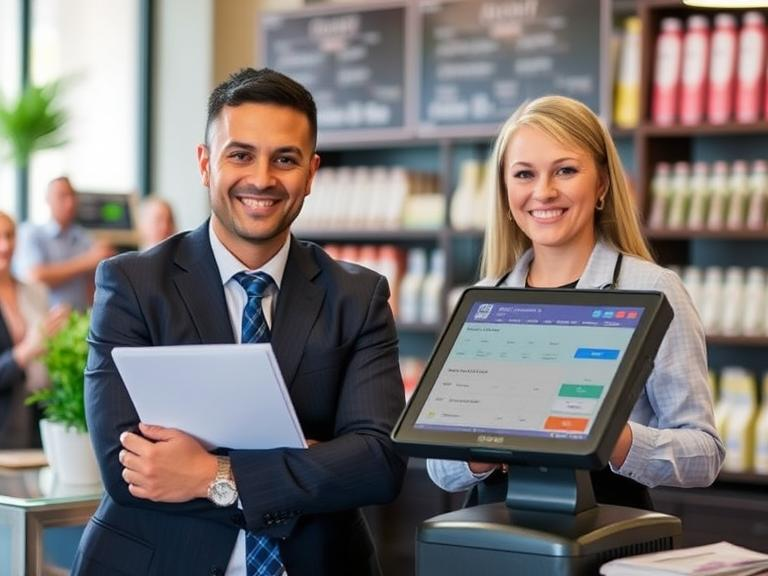
Running a business means handling payments, tracking inventory, and managing customer interactions. A cloud-based point of sale system takes all that data and stores it online instead of keeping it locked in a single machine. This means you can check sales, update inventory, and track customer details from any device with internet access.
What is a Cloud-Based Point of Sale?
A cloud POS system runs on remote servers instead of a local computer. This setup allows real-time updates and access from anywhere, making it a smart choice for businesses that need flexibility.
What is Cloud-Based Sales?
Cloud-based sales happen when transactions and customer data are managed through online systems. This allows businesses to track sales, analyze reports, and adjust pricing instantly.
How Does a Cloud-Based POS System Work?
A cloud-based POS system connects to a remote server. When a customer makes a purchase, the system updates sales records instantly. There’s no need for manual backups or complicated updates.
What is the Difference Between Cloud-Based POS and Traditional POS?
A traditional POS runs offline and stores data locally. A cloud-based POS allows real-time updates across devices, making it easier to access and manage data from different locations.
What is an Example of a Cloud Point?
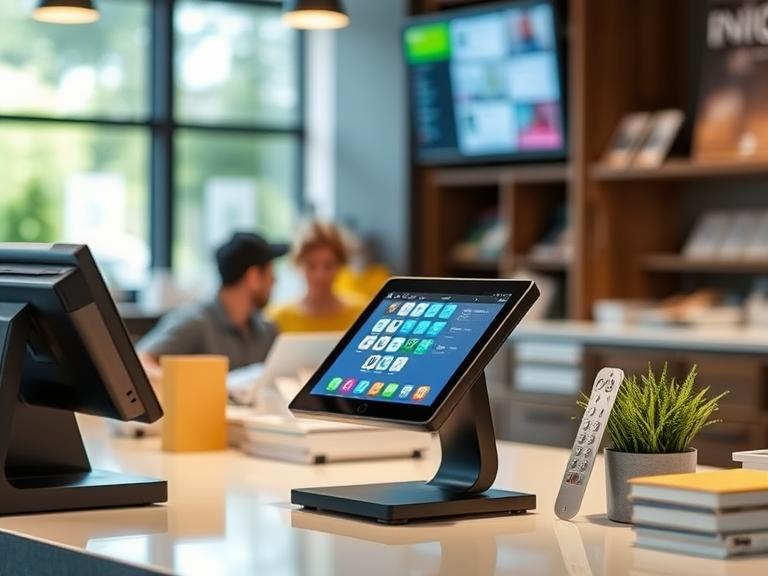
A web-based POS system like Square or Shopify POS lets businesses process transactions through an online platform. These systems provide easy access from multiple devices without requiring special hardware.
Types of Cloud-Based POS Systems
What Are the Three Types of POS?
- Mobile POS – Uses tablets or smartphones for transactions, ideal for pop-up shops and small businesses.
- Terminal POS – Runs on dedicated hardware, commonly found in retail stores.
- Self-Service Kiosks – Allows customers to complete transactions without a cashier, popular in fast-food chains.
Cloud-Based POS Systems for Retail vs. Restaurants
Retail businesses need strong inventory tracking, while restaurants require features like table management and kitchen integration. A cloud-based restaurant point of sale system helps manage orders efficiently.
Benefits of Using a Cloud-Based POS System
- Access from anywhere – Manage business operations from any device.
- Automatic updates – No need for manual software installations.
- Data security – Cloud storage prevents data loss.
- Easy integrations – Connects with accounting, e-commerce, and marketing tools.
Features to Look for in the Best Cloud-Based POS System
Best Cloud-Based Point of Sale Features
- Real-time sales tracking
- Multi-location management
- Cloud-based procurement tools
- Works both online and offline
- Easy-to-use interface
How Does Sales Cloud Work?
Sales cloud software organizes customer data, helping businesses understand purchasing trends and improve service.
How Do Cloud Marketplaces Work?
A cloud POS solution can integrate with marketplaces like Amazon and Shopify, allowing businesses to sell online while managing in-store transactions.
Industry-Specific Cloud POS Systems
Best Cloud-Based POS Systems for Retail
Retail businesses need cloud-based POS systems for retail with barcode scanning, inventory tracking, and customer management features. A robust cloud POS system allows retailers to centralize inventory across multiple store locations, reducing stock discrepancies and preventing losses. It also provides real-time sales analytics, helping store owners understand buying trends and adjust product placement accordingly. Additionally, features like customer loyalty programs and CRM tools allow businesses to personalize offers and promotions, keeping customers engaged and encouraging repeat purchases.
Cloud-Based POS Systems for Restaurants
A cloud-based restaurant POS offers menu customization, split payments, and order management, making restaurant operations smoother. These systems can integrate with kitchen display screens, ensuring that orders reach chefs instantly without confusion. Restaurants also benefit from table mapping, which allows staff to manage seating arrangements efficiently. Real-time reporting lets restaurant owners monitor peak hours and menu performance, enabling smart decisions about staffing and food supply. Furthermore, many cloud POS solutions include online ordering and delivery integration, making it easy to manage dine-in and takeout customers from the same platform.
Choosing the Right Cloud-Based POS Software for Your Business
Is Point-of-Sale an ERP System?
A cloud POS system focuses on sales and transactions, while an ERP (Enterprise Resource Planning) system handles broader business functions like finance and HR. While POS systems primarily deal with front-end sales, ERPs cover supply chain management, payroll, and financial planning. Some businesses choose POS cloud solutions that integrate with ERP systems, allowing for seamless coordination between inventory tracking and financial reporting. Understanding your business needs will help determine if you require just a POS system or a more comprehensive ERP solution.
What is the Difference Between Cloud and On-Premise Market?
A cloud-based point of sale software runs online, while an on-premise system is installed on a local server, requiring in-house maintenance. On-premise systems often require dedicated IT teams for updates and troubleshooting, making them more costly in the long run. Cloud-based options, on the other hand, provide automatic software updates and data backups, ensuring businesses always have access to the latest features and security patches. Additionally, cloud-based systems offer flexibility, allowing business owners to manage sales and inventory remotely, which is particularly beneficial for multi-location businesses.
Case Studies: How Businesses Succeed with Cloud-Based POS
Businesses using cloud point of sale software have reported improved sales tracking, faster transactions, and better customer engagement. For example, a mid-sized retail chain that switched to a cloud POS system saw a 25% reduction in inventory errors due to real-time stock updates. Another restaurant business was able to cut down order processing time by 30% with kitchen display integration. Small businesses also benefit from cloud POS systems, as they eliminate upfront hardware costs, making advanced sales management tools accessible without significant investment. Real-world case studies demonstrate how cloud POS solutions can help businesses scale efficiently and improve overall customer satisfaction.
Why a Cloud-Based POS System is Essential for Your Business
A cloud-based POS system helps businesses manage sales, track inventory, and generate reports from anywhere. Whether running a restaurant or a retail store, switching to a cloud POS system can improve operations and increase efficiency. The ability to access business data in real-time, automate key processes, and integrate with other business tools makes cloud POS a must-have technology in today’s competitive market. By adopting a cloud POS system, businesses can streamline their workflows, reduce costs, and ultimately provide better service to their customers.
Looking for the best cloud-based POS software? Compare the top options now and choose the one that fits your business needs.
FAQs
What is a Cloud-Based Point of Sale System?
A cloud-based POS system allows businesses to manage sales, inventory, and customer data via the internet, offering flexibility and real-time access.
How does a Cloud-Based POS System work?
Cloud POS systems store data on remote servers, enabling businesses to access sales reports, inventory updates, and customer information from anywhere.
What are the benefits of Cloud POS for businesses?
Cloud POS offers scalability, real-time updates, remote access, reduced costs, and seamless integration with other business tools.
Is Cloud POS more secure than traditional POS?
Yes, cloud POS systems often have stronger security measures like encryption and regular backups, reducing the risk of data loss or breaches.
Can I use a Cloud-Based POS System on multiple devices?
Yes, cloud POS systems are accessible from any device with internet access, including computers, tablets, and smartphones.