In today’s rapidly changing business environment, companies of all sizes are adapting to the growing trend of remote work. As businesses shift to more flexible work setups, traditional systems are also being redefined. One area of significant transformation is the Point of Sale (POS) system. Once confined to physical stores, POS systems are now evolving to meet the needs of remote teams and digital businesses.
This article will explore how POS systems are adapting to the needs of remote work, the features of remote-friendly POS systems, and why these changes are crucial for businesses in 2023 and beyond.
What Are POS Systems and How Do They Work?
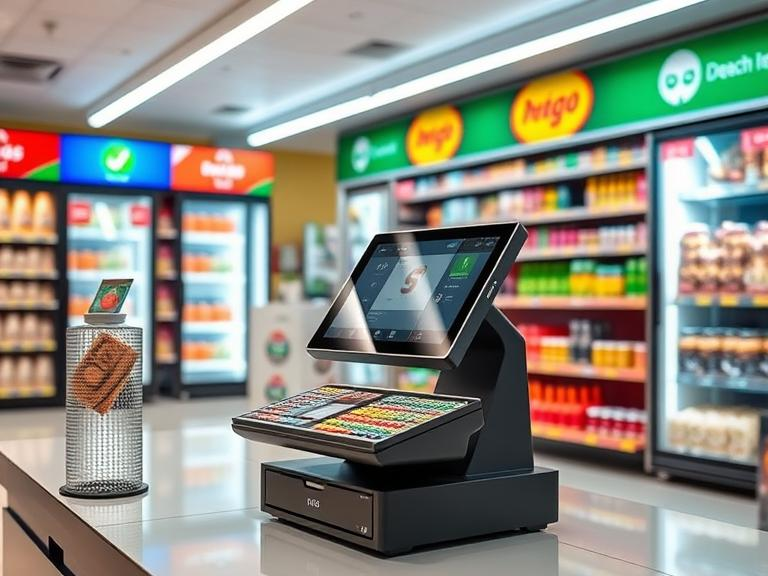
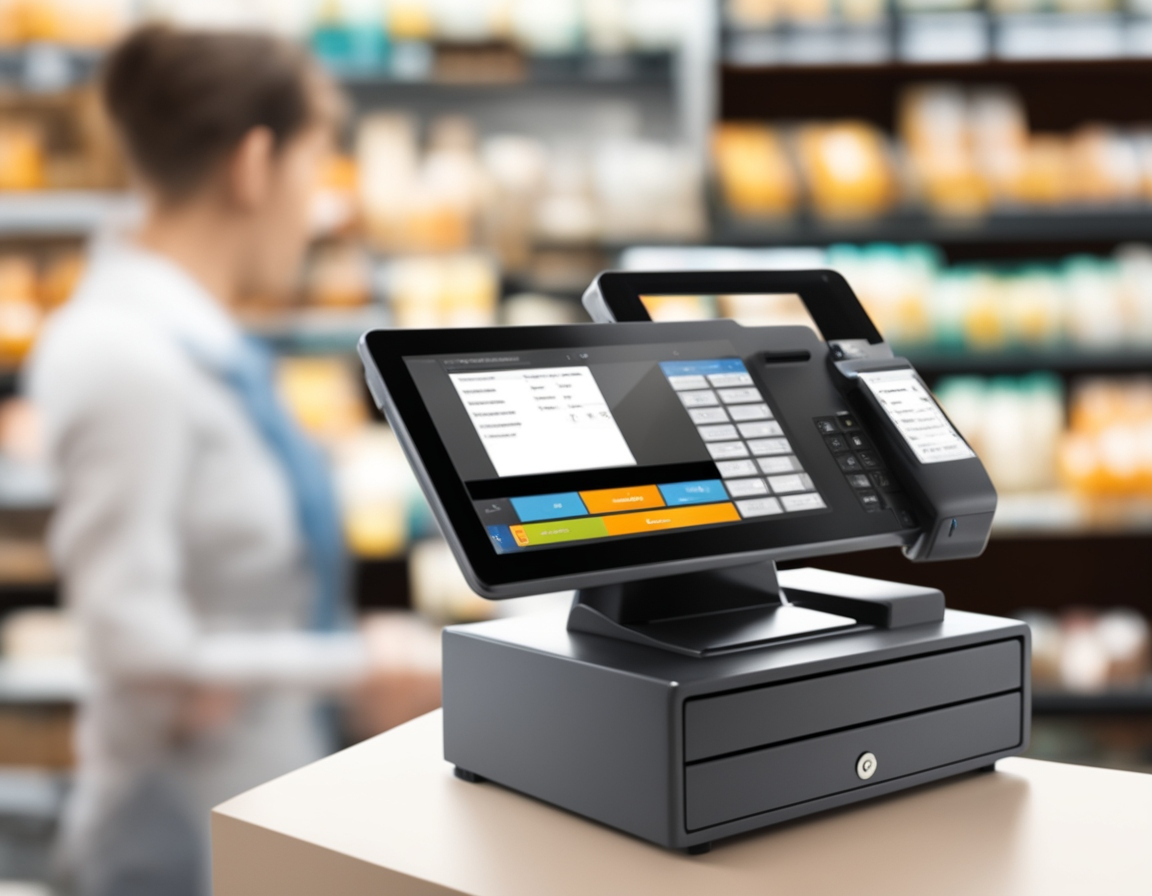
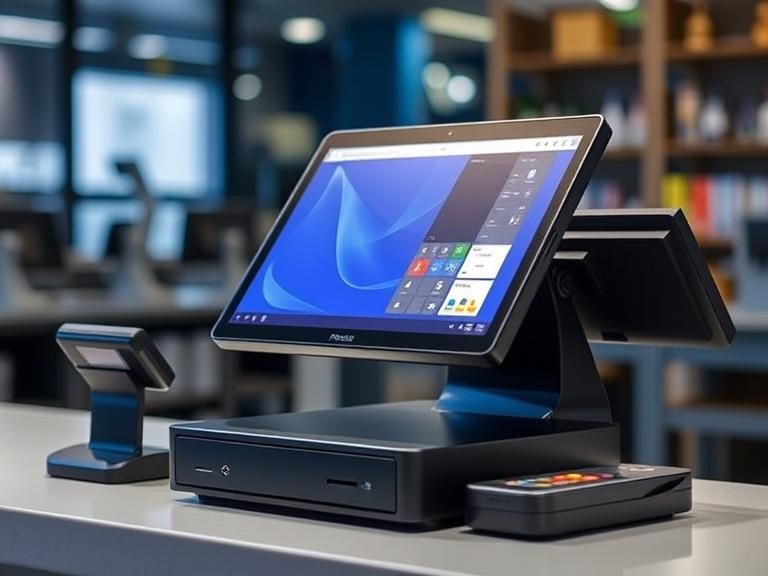
Before diving into the evolving role of POS systems, it’s important to understand what a POS system is and how it functions. At its core, a POS system is a tool that allows businesses to process transactions. Traditionally, these systems included a cash register, receipt printer, barcode scanner, and a payment processor.
Today, POS systems have evolved to include software that allows businesses to track sales, manage inventory, and analyze data. These systems are an essential part of retail, hospitality, and service industries, and they help improve the speed and accuracy of transactions.
The Rise of Remote Work and Its Impact on POS Systems
The shift to remote work has been one of the biggest business trends of the past few years. With more employees working from home or from various locations, businesses need to rethink how they operate. Traditional POS systems were not designed to support remote work, which led to the rise of cloud-based and mobile POS systems.
Remote Work Trends and Growing Demand for Cloud-Based Solutions
With businesses increasingly relying on remote teams, there has been a strong push toward cloud-based solutions that allow employees to access business systems from anywhere. Cloud-based POS systems offer real-time synchronization, meaning business owners and remote employees can monitor sales, inventory, and customer data without being tied to a physical location.
These solutions enable businesses to remain flexible, allowing employees to access POS data from laptops, tablets, or smartphones, and interact with customers across different platforms.
Adapting to Mobile POS Systems
The need for mobility in the remote work environment is one of the key drivers of the evolution of POS systems. Today, mobile POS systems are transforming the way businesses operate. These systems allow businesses to process transactions using mobile devices like smartphones and tablets.
Mobile POS systems are particularly useful for remote sales teams and businesses that have multiple locations or events. They also work well for companies that do not have a physical storefront but rely on online or pop-up stores to make sales. As these businesses transition to remote work, mobile POS systems give them the tools they need to run their operations smoothly.
Cloud-Based POS Systems: The Future of Remote Operations
Cloud-based POS systems are the backbone of remote work for many modern businesses. Unlike traditional POS systems that are tied to a specific location, cloud-based systems store transaction and business data on remote servers, making it accessible from anywhere with an internet connection.
Benefits of Cloud-Based POS Solutions for Remote Teams
- Accessibility: Cloud POS systems can be accessed by any authorized user from any device connected to the internet. This is crucial for businesses with remote employees or teams spread across multiple locations.
- Real-Time Data: With cloud-based systems, businesses can receive instant updates on transactions, inventory, and customer data, ensuring they are always working with the most up-to-date information.
- Scalability: As businesses grow, cloud-based POS systems can easily scale to meet changing needs. Adding new locations, users, or features can be done quickly without the need for costly hardware upgrades.
Integration with Other Business Tools
Another major advantage of cloud-based POS systems is their ability to integrate with other business tools. For remote work, this is particularly beneficial. Cloud POS systems can be connected with collaboration tools like Slack and Zoom, as well as accounting software, customer relationship management (CRM) platforms, and inventory management tools. This creates a more efficient workflow and eliminates the need for multiple disconnected systems.
For example, if a business has a remote team handling sales and marketing, the POS system can integrate with a CRM tool, allowing marketing teams to send personalized promotions based on customer data captured from previous purchases.
Features of Remote-Friendly POS Systems
As businesses increasingly adapt to remote work, POS systems have become more sophisticated, offering a wide range of features designed to support remote teams.
Remote POS Monitoring and Management
Business owners can now monitor and manage their POS systems from any location, thanks to remote access capabilities. With cloud-based POS systems, owners can check real-time sales data, track inventory, and adjust pricing—all without being physically present at the store. Remote POS management also allows for quick problem resolution, whether it’s troubleshooting an issue or managing system updates.
Mobile POS Devices for On-the-Go Transactions
Mobile POS devices are critical for businesses that need flexibility. These devices allow employees to process payments anywhere, whether they are on the road, in a customer’s home, or at a temporary event. For example, remote sales representatives can take payments directly from customers during in-home consultations, or vendors at pop-up markets can process transactions without needing a dedicated counter.
Real-Time Synchronization
Real-time synchronization is a must for businesses that operate remotely. With cloud-based POS systems, data from transactions is automatically synced across all devices, ensuring that everyone involved in the business, no matter their location, has access to the same up-to-date information. This eliminates the potential for data discrepancies and enhances coordination between remote teams.
Integrated Reporting and Analytics
Another feature of modern POS systems that supports remote work is the ability to generate detailed reports and analytics. Business owners can view sales trends, monitor customer behavior, and track inventory from their laptops or smartphones. With access to this data in real-time, businesses can make more informed decisions and adjust strategies faster.
The Importance of Security in Remote POS Systems
While remote work brings flexibility, it also introduces new security challenges. Remote POS systems must protect sensitive customer and transaction data from cyber threats.
Data Security Measures
Modern POS systems use encryption technology to protect sensitive information, such as credit card details and personal customer data. Additionally, many systems require multi-factor authentication (MFA) to prevent unauthorized access. These measures ensure that businesses can operate remotely without putting customer data at risk.
Compliance with Industry Standards
POS systems used for remote work must comply with industry regulations, including the Payment Card Industry Data Security Standard (PCI DSS). These standards provide guidelines on how to handle payment data securely, and any reputable POS system designed for remote work will comply with these regulations.
Remote POS Systems for Different Business Types
Different industries have unique requirements when it comes to POS systems. As remote work continues to grow, POS providers are customizing solutions to meet the specific needs of various sectors.
Remote POS Systems for E-Commerce
E-commerce businesses require POS systems that are not just flexible but also capable of managing online sales. Cloud-based POS systems that integrate with e-commerce platforms like Shopify, WooCommerce, and BigCommerce help streamline operations. These systems enable businesses to manage both in-store and online orders from one central location, no matter where employees are working from.
Remote POS Solutions for Retail and Hospitality
In the retail and hospitality industries, remote POS systems can be used to track inventory, manage reservations, and handle transactions. Whether managing a hotel or a retail store, cloud-based POS systems help businesses manage operations remotely, allowing them to keep up with customer demands while cutting overhead costs.
Conclusion
As remote work continues to reshape the way businesses operate, the role of POS systems has evolved. Cloud-based POS solutions and mobile devices are providing businesses with the flexibility to operate from anywhere. Real-time data synchronization, integrated reporting, and mobile POS solutions are just a few of the ways POS systems are supporting remote teams.
As businesses look to maintain efficiency and improve customer experience, investing in a remote-friendly POS system is no longer optional—it’s essential for staying competitive. By choosing a POS system that supports remote work, businesses can maintain smooth operations, safeguard customer data, and scale more effectively.
If you are considering upgrading your POS system to better support remote work, it’s essential to choose a system that offers flexibility, security, and scalability. The future of remote business relies on effective technology solutions, and your POS system is a critical part of that success.