Point of Sale (POS) systems are crucial tools for businesses, enabling streamlined operations for transactions, inventory management, and customer service. But one important question every business owner should ask is: What is the life expectancy of a POS system? Understanding how long a POS system lasts is vital for business owners who want to maximize their investment and effectively plan for future upgrades or replacements.
In this comprehensive guide, we will explore the life expectancy of a POS system, the key factors that influence its longevity, tips on maintaining your system, and crucial insights on when it’s time to replace it. By knowing how long your POS system can last, you can make informed decisions about upgrades, maintenance, and avoiding unnecessary downtime.
What is a POS System and Its Role in Business?
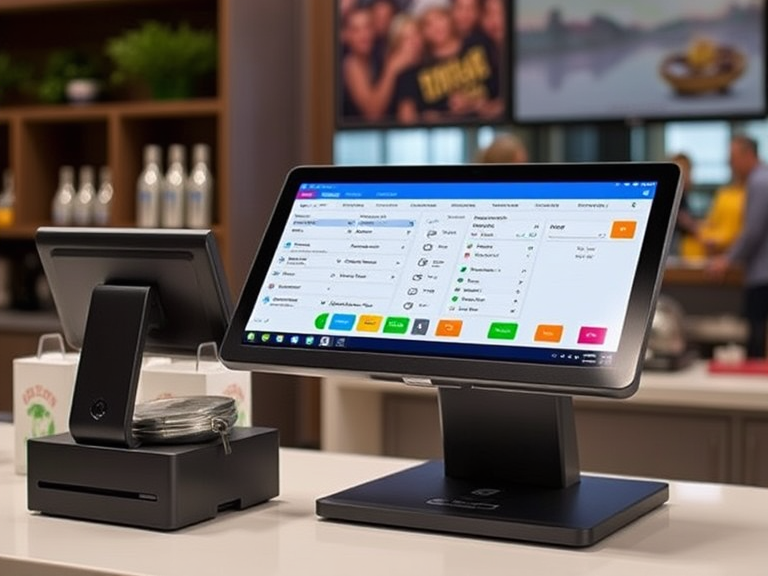
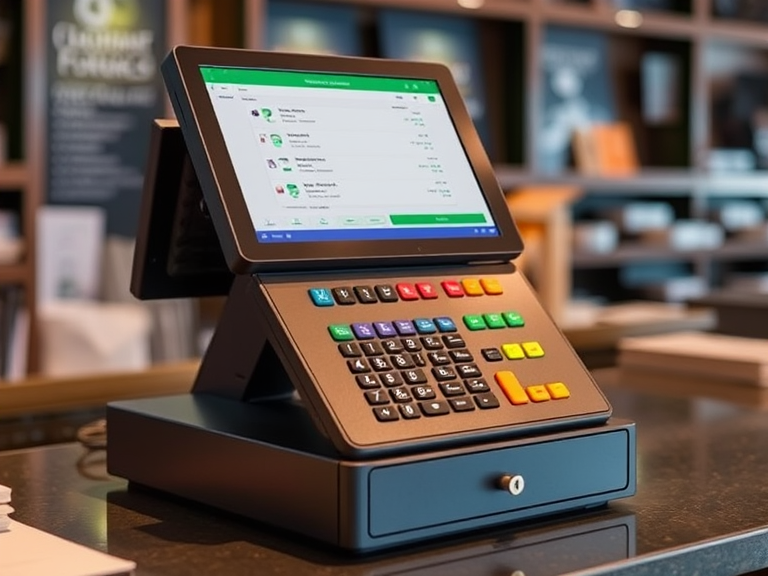
Before diving into the details of the life expectancy of a POS system, let’s define what a POS system is. A Point of Sale (POS) system refers to the hardware and software used by businesses to process transactions. At its core, it consists of a terminal (hardware), software for managing sales data, and peripherals like receipt printers and barcode scanners.
POS systems are used across a range of industries, including retail, hospitality, and service sectors. These systems not only facilitate transactions but also help businesses track inventory, manage customer relationships, and streamline accounting.
Now, let’s delve into the useful life of a POS system and understand how long these systems typically last.
What is the Lifespan of a POS System?
The lifespan of a POS system can vary widely depending on several factors. On average, a POS system can last anywhere from 5 to 10 years, but this can differ based on the type of system (traditional, mobile, or cloud-based), how it’s used, and how well it’s maintained.
How Long Does a POS Terminal Last?
A POS terminal, which includes the hardware (such as a touchscreen, printer, and card reader), can last between 5 to 7 years with proper care. The terminal’s longevity largely depends on factors like the quality of the hardware, how often it’s used, and how it’s maintained.
How Long Do POS Machines Last?
POS machines, which are often mobile or handheld devices, typically have a lifespan of 3 to 5 years. This is shorter compared to traditional terminals because mobile devices tend to experience more wear and tear due to constant movement, battery charging, and exposure to varying environmental conditions.
Factors Affecting the Life Expectancy of a POS System
The life expectancy of a POS system is influenced by various internal and external factors. Below are the key elements that impact how long your POS system lasts.
Hardware Quality
The quality of the POS hardware plays a significant role in its longevity. Higher-end devices built with durable materials will last longer than cheaper alternatives. Additionally, devices like receipt printers and barcode scanners may wear out sooner if they are subjected to high-volume use or harsh conditions.
Software and Updates
POS software is another important factor. Outdated or unsupported software can lead to slower performance, security vulnerabilities, and incompatibility with new technology. Regular updates, whether automatic or manual, are crucial to keeping your system running smoothly and extending its life.
Usage and Maintenance
How often and how intensively your POS system is used also impacts its lifespan. In busy retail or hospitality environments, where transactions are processed frequently, POS systems can experience more wear and tear. Regular cleaning, software updates, and hardware checks can help prevent unnecessary wear and extend the system’s useful life.
Technological Advancements
As technology continues to evolve, older POS systems may become outdated, even if they still function. The future of POS systems is moving toward cloud-based systems, mobile compatibility, and AI-driven features. Therefore, a POS system that is 5 or more years old might not be able to keep up with new payment methods, reporting features, or integrations.
How Long Does POS Battery Last?
For mobile POS systems and POS terminals that rely on rechargeable batteries, the lifespan of the POS battery is an important consideration. Generally, a POS battery can last 2 to 3 years, but the exact duration depends on usage, charging habits, and battery type. Over time, batteries lose their ability to hold a charge, so businesses may need to replace the battery to maintain optimal performance.
How Long Does POS Battery Last?
In cases of heavy daily usage, POS batteries may last as little as 1 to 2 years. To extend battery life, ensure that batteries are not overcharged and are regularly cycled (charged and discharged fully). Proper care and maintenance of the battery are key to ensuring that it lasts for as long as possible.
How Do You Maintain a POS System?
To maximize the life expectancy of a POS system, regular maintenance is essential. Here are some tips for keeping your system in good condition:
- Regular Software Updates: Ensure your POS system is running the latest software and security patches to avoid performance issues and vulnerabilities.
- Clean Hardware: Regularly clean your hardware, especially the terminals, screens, and card readers. This prevents dust and grime buildup that could interfere with performance.
- Check for System Errors: Monitor the system for any signs of errors, slowdowns, or crashes. Addressing these issues early can prevent more significant failures down the road.
- Replace Worn Components: If you notice any hardware showing signs of wear, like a printer that jams or a scanner that misses barcodes, replace them promptly.
By following these maintenance tips, you can ensure that your POS system lasts for its full potential lifespan.
What is the Maximum Limit of POS?
When asking, what is the maximum limit of POS, we are essentially referring to the capacity or scalability of the system. POS systems have limits on how many transactions they can handle, the number of devices they can support, and the volume of data they can store. Over time, as businesses grow, their POS systems may need upgrades to handle increased transaction volumes or new technologies.
How Much Does a New POS System Cost?
When it comes time to replace your POS system, understanding the cost is essential. A new POS system can cost anywhere from $500 to $5,000 or more, depending on the system’s complexity, features, and whether it’s a cloud-based solution. Mobile POS systems tend to be more affordable than traditional ones, but they also offer fewer features and are more limited in scalability.
Costs can also include ongoing fees for software subscriptions, maintenance, and payment processing. Investing in a new POS system is often a cost-effective choice if the current system is outdated, too costly to maintain, or not compatible with modern payment methods.
What is the Disadvantage of POS?
While POS systems are incredibly valuable, they are not without their drawbacks. The disadvantage of POS systems includes the potential for high upfront costs, ongoing maintenance, and dependence on technology. Systems may experience downtimes, or they may become outdated as new payment technologies emerge. Additionally, if a system fails unexpectedly, it can disrupt business operations.
However, with proper maintenance, updates, and the right system for your business needs, the disadvantages of a POS system can be minimized.
When Should You Replace Your POS System?
One of the most frequently asked questions is, how long does a POS take before it needs to be replaced? Typically, a POS system should be replaced when:
- It becomes outdated and can no longer accept new forms of payments (e.g., contactless payments).
- It experiences frequent breakdowns, causing disruptions in business.
- The software no longer receives updates or support from the manufacturer.
- The system no longer meets the needs of the business, whether in terms of speed, capacity, or features.
Is POS Work Profitable?
Many business owners wonder if POS work is profitable. A good POS system can streamline business operations, improve transaction speed, and enhance customer satisfaction, all of which contribute to higher profits. By reducing transaction errors, speeding up service, and offering detailed reporting, a POS system can increase operational efficiency and provide valuable insights into business performance.
Can a POS Be Cancelled?
Finally, it’s essential to know that POS systems can be cancelled, whether you are switching providers, upgrading, or no longer need the system. Most modern POS systems allow you to cancel subscriptions or switch out equipment as needed. Be sure to understand any contract terms or cancellation fees before making the switch.
Conclusion
The life expectancy of a POS system depends on many factors, including hardware quality, software updates, maintenance, and usage patterns. On average, a POS system can last anywhere from 5 to 10 years, but with proper care, some systems can last even longer. As technology continues to evolve, it’s important for business owners to stay ahead of trends and plan for upgrades when necessary. Regular maintenance, timely replacements, and understanding the useful life of a POS system will ensure that your business operations continue to run smoothly for years to come.
By staying informed about the future of POS systems and implementing the right maintenance strategies, you can extend the lifespan of your POS system and maximize the return on your investment.
FAQs
1. How long does a POS system last?
A POS system typically lasts between 5 to 10 years, depending on the quality of the hardware, usage, and maintenance.
2. What is the lifespan of a POS terminal?
A POS terminal usually lasts around 5 to 7 years with proper care and regular updates.
3. How long does a POS battery last?
The battery in a mobile POS system typically lasts 2 to 3 years, but it may need replacement sooner depending on usage.
4. What is the maximum limit of a POS system?
The maximum limit of a POS system refers to its capacity to handle transactions, devices, and data, which can vary based on the system’s configuration and upgrades.
5. How do you maintain a POS system?
To maintain a POS system, regularly update software, clean hardware, check for system errors, and replace worn components as needed.