
In the world of payment systems, the terms POS agent and POS merchant are often used interchangeably but refer to distinctly different roles. Understanding these differences is key for business owners, financial professionals, and anyone interested in the payment processing ecosystem. In this comprehensive guide, we will explain what POS agents and POS merchants do, how they differ, and what that means for your business.
Let’s break it down to clarify the relationship between these two essential components of the payment process.
What is a POS Agent?
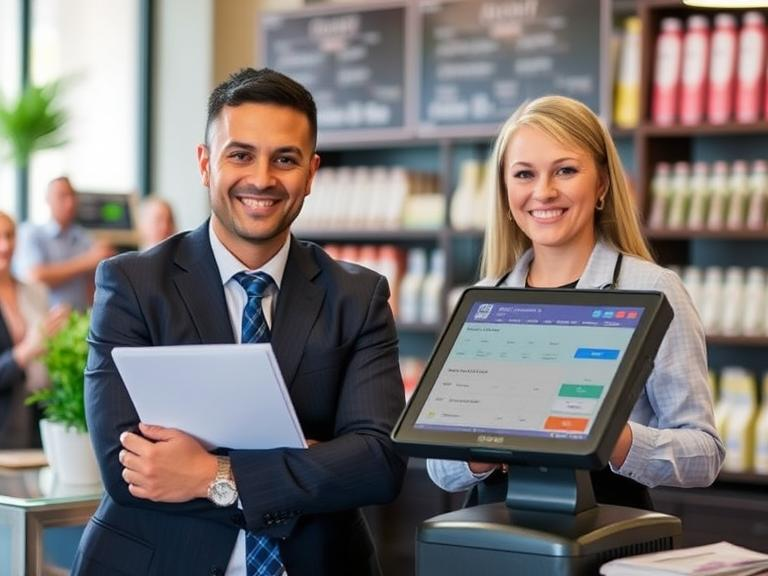
A POS agent is a professional or intermediary who helps businesses (merchants) set up and maintain POS systems. These agents typically work for POS providers, banks, or payment processors and assist merchants by installing, configuring, and troubleshooting payment systems.
What does POS agent stand for?
The term POS stands for Point of Sale, referring to the system businesses use to process customer payments. A POS agent is someone who helps facilitate the sale, installation, and support of these systems, ensuring that merchants have the tools they need to process payments.
How do POS agents get paid?
POS agents generally earn commissions or fees based on the sales they bring to the POS provider. They may also earn recurring payments for ongoing service or maintenance of the POS systems they install. The compensation is often tied to performance, incentivizing agents to secure more clients and offer superior customer service.
What is a POS Merchant?
A POS merchant is a business or individual that uses a POS system to accept payments from customers. Merchants can be any business that processes payments, from retail stores to restaurants and service providers.
What is an example of a POS merchant transaction?
A common POS merchant transaction occurs when a customer purchases a product at a store and pays with a credit card, debit card, or mobile payment. The POS merchant uses the POS system to calculate the total, process the payment, and generate a receipt.
Who is a POS merchant?
A POS merchant can be any business, whether small or large, that needs a payment solution to accept customer payments. This includes shops, restaurants, online retailers, and service providers who rely on POS systems to process transactions quickly and securely.
Key Differences Between POS Agent and POS Merchant
To understand the key distinctions between POS agents and POS merchants, we can break it down as follows:
- Role:
A POS agent acts as a consultant or intermediary, helping businesses set up POS systems and providing support. On the other hand, a POS merchant is a business that uses a POS system to accept customer payments and manage transactions. - Interaction with Customers:
POS agents do not interact with customers in the transaction process; their role is focused on providing and maintaining POS solutions. POS merchants, however, engage directly with customers when processing payments. - Revenue Model:
POS agents are compensated based on the services they provide (such as installation and maintenance), often through commission or service fees. POS merchants generate revenue through their business sales, whether that’s through retail, dining, or other services.
What is the Difference Between Merchant POS and Agent POS?
Understanding the distinction between merchant POS and agent POS is crucial for businesses looking to optimize their payment solutions.
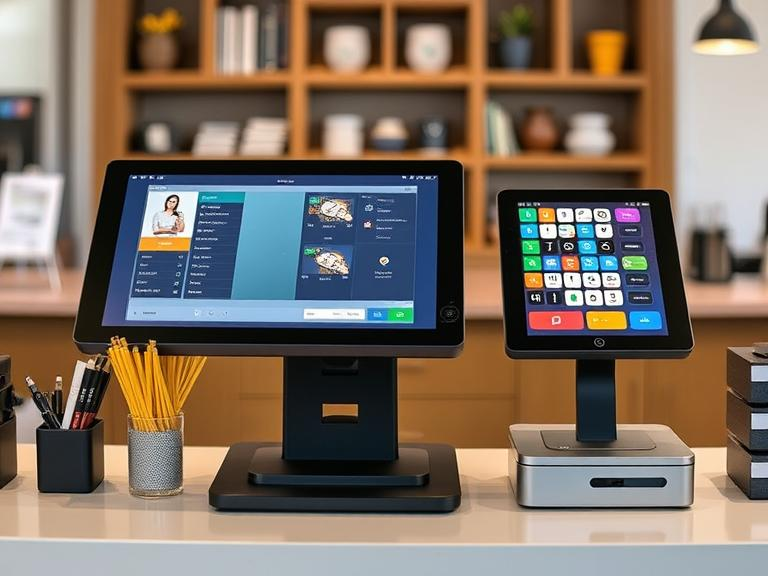
- Merchant POS refers to the actual POS system that businesses use to process customer transactions. This system includes hardware like card readers, terminals, and point-of-sale software that enables businesses to accept payments.
- Agent POS, however, refers to the services provided by the POS agent who facilitates the setup, installation, and ongoing support of the POS system for businesses. The agent POS involves the agent’s role in helping merchants access, manage, and maintain their POS systems.

What Are the Three Types of POS Systems?
There are three main types of POS systems available for businesses, each offering different functionalities:
- Traditional POS:
This includes physical POS terminals with card readers, cash registers, and receipt printers, typically found in brick-and-mortar stores. - Mobile POS:
A mobile POS system utilizes smartphones or tablets as the terminal. This portable solution is ideal for businesses that need to accept payments on the go, such as food trucks or pop-up shops. - Cloud-based POS:
Cloud-based POS systems store transaction data on the cloud, allowing businesses to access their sales and inventory data from any device with internet access. These systems are flexible and scalable, making them a popular choice for modern businesses.
How Can I Become a POS Agent?
If you’re interested in becoming a POS agent, the process generally involves the following steps:
- Get Training:
Many POS providers offer training programs for individuals interested in becoming agents. This training helps you understand how POS systems work and how to sell and support them. - Partner with a POS Provider:
To become a POS agent, you will need to partner with a POS provider or financial institution. These partnerships allow you to sell their systems and earn commissions. - Build a Client Network:
Success as a POS agent requires networking and establishing relationships with businesses that need POS systems. Providing excellent service and ongoing support will help you grow your client base.
What is a Merchant Services Agent?
A merchant services agent plays a crucial role in the financial aspect of payment processing for businesses. While similar to a POS agent, whose focus is primarily on the technical side of installing and managing point-of-sale systems, a merchant services agent specializes in the setup and management of payment solutions and services.
These agents help businesses establish merchant accounts, which are necessary for accepting credit card and debit card payments. They also assist in securing payment gateways, which are the systems that process electronic payments. Furthermore, a merchant services agent provides ongoing support for payment processing services, ensuring that businesses have the tools and resources they need to securely process payments and manage their financial transactions effectively. They may also advise businesses on the best payment methods and systems for their specific needs, ensuring their operations run smoothly and efficiently.
What is the Difference Between Merchant and Agent SIM Cards?
The difference between merchant SIM cards and agent SIM cards lies in their intended use and the roles they play in the payment ecosystem. Merchant SIM cards are specifically designed for businesses that accept mobile payments. These cards allow businesses to process transactions directly from mobile devices, such as smartphones or tablets, using a mobile point-of-sale system (mPOS). Merchant SIM cards are typically used by business owners or employees who need to accept payments on-the-go or in environments without traditional wired connections.
On the other hand, agent SIM cards are used by POS agents, who help businesses set up and manage their point-of-sale systems. These SIM cards are often part of the agent’s toolkit for facilitating payment processing on behalf of businesses. They may be used for tasks such as configuring payment terminals or managing mobile transactions for their clients. While both types of SIM cards may involve mobile technology, their primary purpose is different—merchant SIM cards are designed for payment acceptance in business settings, while agent SIM cards are tools for supporting businesses in their payment processing needs.
What is the Difference Between Merchant and Agent?
The distinction between a merchant and an agent is primarily defined by their roles and involvement in the sales or service process. A merchant is a business or individual directly responsible for selling products or services to customers. They are the ones that create and manage the products or services, interact with customers, and finalize transactions. Merchants typically run retail stores, online shops, or service-based businesses that accept payments for goods or services.
In contrast, an agent acts as an intermediary between buyers and sellers. Agents don’t sell products or services themselves but facilitate transactions. For example, a POS agent helps businesses set up and maintain their point-of-sale systems, ensuring they can accept payments efficiently. Agents can also provide other services, such as marketing, consulting, or sales support, without directly handling the goods or services being sold. Essentially, the merchant drives the business’s sales, while the agent assists in facilitating those sales or providing related services.
What is the Difference Between Merchant and Agent Banking?
Merchant banking and agent banking both relate to financial services but serve different purposes in the business and banking sectors. Merchant banking is typically associated with services offered to businesses, including investment advisory, capital raising, and financial planning. Merchant banks primarily work with corporate clients, helping them secure funding, manage investments, and navigate complex financial matters. These services are designed to help businesses grow, scale, and manage their financial operations.
Agent banking, on the other hand, is a model in which financial institutions provide banking services through third-party agents. These agents serve as intermediaries, helping customers perform banking functions such as deposits, withdrawals, and payments. Agent banking often occurs in areas where traditional bank branches are not easily accessible, and third-party agents, such as POS agents, play a crucial role in ensuring that essential banking services are available to customers. In this context, agents facilitate banking transactions on behalf of financial institutions, offering a wider range of banking services without requiring a physical bank presence.
Which POS is Free?
Several POS systems offer free versions, which can be an attractive option for small businesses or those just starting out. These free POS systems typically provide basic functionalities that allow businesses to process customer payments, generate receipts, and track sales. These free versions may come with limited features, such as a lack of advanced reporting tools or inventory management options. While they can be a good starting point for small-scale operations, many businesses eventually need more robust solutions as they grow.
Upgrading to a paid POS system allows businesses to access more advanced features like inventory management, employee tracking, customer relationship management (CRM) tools, and detailed sales reports. Some free POS systems also offer paid add-ons that can be purchased as the business expands. Therefore, while a free POS system can work for businesses with basic needs, those looking for more comprehensive capabilities will likely need to invest in a premium version that offers additional features for managing inventory, processing payments at multiple locations, and analyzing business performance.
Conclusion
In conclusion, understanding the difference between a POS agent and a POS merchant is crucial for anyone involved in the payment processing industry. POS agents assist businesses by offering and maintaining payment systems, while POS merchants use those systems to process transactions and manage their businesses. By clearly distinguishing between these roles, businesses can make more informed decisions about their payment solutions, ultimately improving operational efficiency and customer experience.
Whether you’re a business looking to optimize your POS system or interested in becoming a POS agent, knowing these distinctions will help guide your decisions and ensure you select the right payment system for your needs.
FAQs:
1. What is the role of a POS agent?
A POS agent helps businesses set up, manage, and maintain their Point of Sale systems, ensuring smooth payment processing and offering ongoing support.
2. Who is a POS merchant?
A POS merchant is a business that uses a POS system to process payments from customers. This includes any business that accepts card payments or other digital payment methods.
3. How do POS agents get paid?
POS agents are typically paid through commissions or service fees based on the POS systems they sell or the services they provide to businesses.
4. What is the difference between merchant POS and agent POS?
A merchant POS refers to the payment system used by businesses to process transactions, while an agent POS refers to the service provided by agents to help businesses acquire and manage these systems.
5. How can I become a POS agent?
To become a POS agent, you need to complete training offered by POS providers, partner with a POS company, and build relationships with businesses that need payment processing solutions.