When you tap your card or phone at a store, a lot more happens behind the scenes than you might think. That small machine sitting on the counter—the POS machine—plays a huge role in making payments easy. But have you ever wondered how these machines actually make money? They’re everywhere, and someone must be earning from them, right?
Today, we’re going to break it all down in a way that’s easy to follow. No confusing words. No boring tech talk. Just a clear look at how POS machines earn their money, why businesses use them, and what the future looks like for these little machines.
Let’s get started!
What Is a POS Machine?
A POS machine, or Point of Sale machine, is a device that helps businesses accept payments from customers. Whether you swipe a card, tap a phone, or insert a chip, the POS machine reads the payment information and connects to banks to move the money.
There are different kinds of POS machines:
- Traditional POS: Big terminals you usually see at grocery stores.
- Mobile POS: Smaller devices connected to smartphones or tablets.
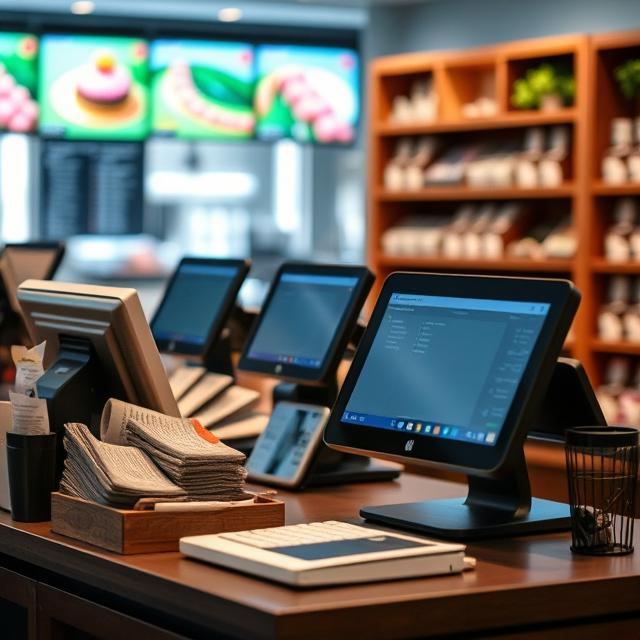
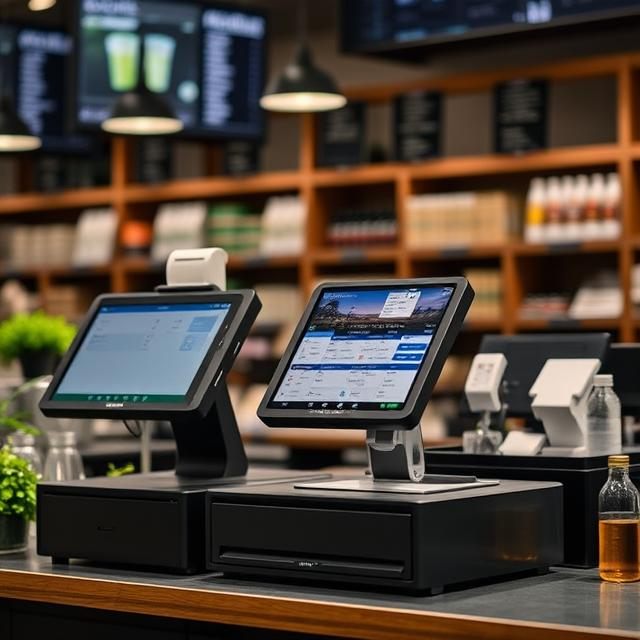
- Smart POS: Touchscreen devices that can also handle orders, manage inventory, and print receipts.
You’ll find POS machines everywhere — restaurants, coffee shops, clothing stores, beauty salons — you name it.
How Do POS Machines Work Behind the Scenes?
When you tap your card at the checkout, the POS machine doesn’t just beep and print a receipt. It starts a quick process:
- The machine reads your card details.
- It sends the information to a payment processor.
- The processor talks to your bank to check if you have enough money.
- If yes, the bank approves the sale.
- The payment gets sent to the store’s account.
Even though this happens in just a few seconds, there are several players involved:
- The merchant (store owner)
- The payment processor (middleman that moves information)
- The customer’s bank and the merchant’s bank
All these groups are part of why POS machines can make money.
Main Ways POS Machines Make Money
Now comes the big question: How do these machines actually make money?
POS companies don’t just hand out machines for free. They have many ways to earn from every tap, swipe, and dip.
1. Transaction Fees
Every time a customer pays using a card, the POS provider gets a small piece of the sale.
Usually, the fee is around 1.5% to 3.5% of the total amount.
Let’s say you buy a burger for $10:
- The POS provider might keep $0.30 from that sale.
Who pays that fee?
Mostly the store owner does. That’s why some stores have minimum amounts for card payments.
2. Monthly Service Fees
Some POS companies charge businesses a monthly fee to use their machines or software.
This fee covers things like:
- Payment processing
- Software updates
- Customer support
Depending on the provider, these fees could be anywhere from $20 to $100 or more each month.
3. Equipment Sales
POS companies also make money by selling the machines themselves.
They sell:
- Card readers
- Touchscreen terminals
- Receipt printers
- Barcode scanners
- Cash drawers
Businesses can either buy the equipment or rent it monthly. Either way, POS companies make money from it.
4. Payment Processing Revenue
POS providers often partner with bigger companies like Visa, Mastercard, and American Express.
Each time a payment goes through, interchange fees come into play.
The POS provider gets a cut from these fees, especially if they also work as a payment processor.
This means they earn a little bit from every single sale a business makes.
5. Value-Added Services
POS companies don’t just stop at taking payments. They offer extra tools that businesses love.
These can include:
- Gift card programs
- Loyalty points for customers
- Email marketing tools
- Sales and inventory reports
Businesses usually pay extra for these services, bringing in even more money for the POS provider.
6. Financing and Loans to Merchants
Some POS companies offer loans to businesses based on their sales history.
Here’s how it works:
- A small business gets money fast through a loan.
- They repay the loan by giving a part of their daily sales.
The company charges fees on the loan, making another income stream.
Who Actually Makes Money from POS Machines?
Several groups earn money from POS systems:
- POS Providers like Square, Toast, or Clover
- Independent Sales Organizations (ISOs) who sell POS systems to merchants
- Payment processors like Stripe, PayPal, or First Data
- Banks that manage the funds
Everyone in the chain takes a small piece of each transaction, service fee, or equipment sale.
Hidden Revenue Streams You Might Not Know About
Besides the obvious ways, POS companies have a few quiet money-makers.
Selling Data Insights
POS providers can look at anonymous shopping trends.
For example, they can track how often people buy coffee on Mondays.
They may sell these reports to big brands that want to understand customer habits.
Important: Good providers never sell personal customer information. They only sell grouped data.
Selling Extra Business Services
Many POS companies offer services like:
- Payroll help
- Business insurance
- Marketing support
They either charge for these services or partner with companies who pay them for referrals.
Why Merchants Are Still Willing to Pay
With all these fees, you might wonder: Why do businesses even bother?
The answer is simple: It helps them grow.
POS machines make it easy for customers to pay.
The faster and easier the payment, the happier the customer.
Happy customers usually spend more and come back often.
Also, many modern POS systems do more than just handle payments. They help manage:
- Employee schedules
- Inventory tracking
- Customer loyalty programs
These tools save time for business owners, letting them focus more on their customers.
How Much Money Can a POS Company Make?
Let’s look at a few real examples:
- Square made over $5.6 billion in 2023 just from payment services.
- Toast, which focuses on restaurants, made over $3 billion the same year.
- Smaller POS companies also pull in millions annually, depending on how many clients they have.
The more businesses a POS company serves, the more money they make. High transaction volume means high profits.
Key Challenges POS Machines Face in Making Money
Even though POS companies have many ways to earn, they also face a few problems.
Lots of Competition
With so many POS providers out there, companies must fight hard to keep merchants using their service.
Lower prices and better services are the main weapons in this battle.
Merchant Switching
Some businesses switch providers often if they find better deals elsewhere.
POS companies must work hard to keep their customers loyal.
New Rules and Regulations
Governments often create rules to protect customer data and prevent fraud.
Following these rules can cost a lot of money and slow down business.
Future Trends: How POS Machines Will Make Money Going Forward
The payment world keeps changing. Here’s where POS companies are heading:
Tap and Go Payments
More people want to tap their phones or watches instead of using cards. POS companies must keep up.
Cryptocurrency Payments
Some POS machines already accept Bitcoin and other digital coins.
This could open new markets and more income streams.
AI-Powered Insights
POS companies are adding smart tools to help businesses understand customers better and sell more.
Embedded Finance
POS companies are adding even more services into their platforms, like savings accounts, insurance, and faster loans.
The more services they offer, the more money they make from every customer.
FAQs
Q: How do free POS systems make money?
A: They charge higher transaction fees or sell extra services to businesses.
Q: Are POS machines profitable for small businesses?
A: Yes, even with small fees, POS systems help businesses bring in more sales and keep customers happy.
Q: Who pays the transaction fee when using a POS?
A: Usually the merchant pays it. Some businesses add a small surcharge to customer bills to cover the fee.
Q: Can you make passive income selling POS machines?
A: Yes, some salespeople earn a share of every transaction their clients make after setting them up with a POS system.
Q: What’s the difference between POS fees and credit card fees?
A: POS fees often include the cost of the machine and software, while credit card fees come from the banks and payment networks.
Conclusion
POS machines do more than just handle payments. They are smart business tools that create many ways for companies to earn money. From transaction fees and service plans to selling extra business tools and offering loans, POS providers have built strong, steady income streams.
If you’re a business owner or thinking about starting your own company, understanding how POS machines work can help you make better choices.
And if you’re looking for a POS system that fits your business without emptying your pockets, check out our guide on the Best Affordable POS Systems for Small Businesses — you’ll find real options that help you grow faster!