
Managing several stores isn’t just about selling more products. It’s about keeping everything in order—inventory, sales, staff, and customer service. If you’re juggling multiple shops, you need a system that helps you stay on top of things without making life harder. That’s where a Point of Sale (POS) system designed for multiple locations comes in.
This guide will walk you through what a multi-location POS system is, why it matters, and how to choose the right one for your business.
What Is a POS System for Multiple Locations?
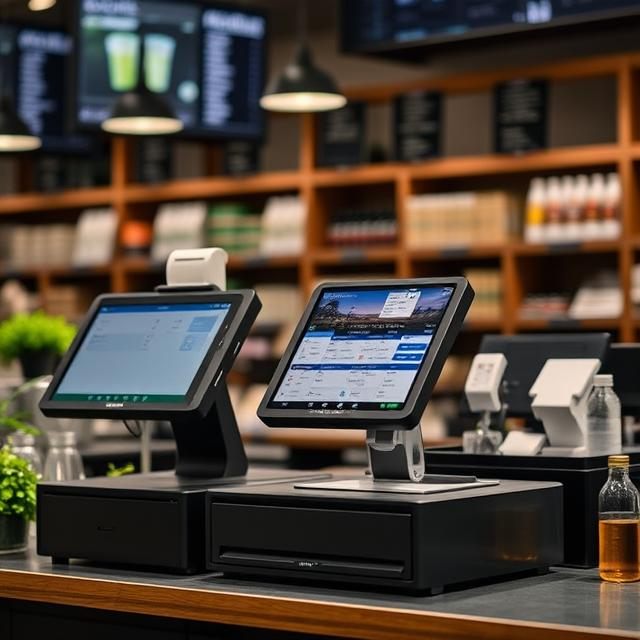
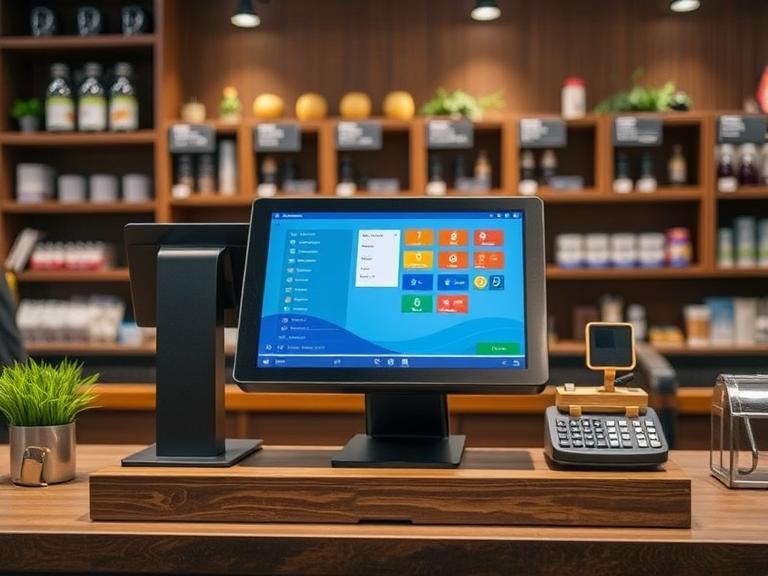
A POS system is the tool you use to handle sales, track inventory, and manage customer information. When you have more than one store, a multi-location POS system lets you do all that across every location from one place.
Instead of having separate systems for each store, you get a single setup that connects them all. This way, you can see what’s happening in each shop without being there in person.
Why Do You Need One?
Running multiple stores without a connected POS system can lead to problems:
- Inventory Confusion: Not knowing what’s in stock at each location can cause overstocking or running out of items.
- Sales Tracking Issues: It’s hard to see which products are selling well and which aren’t across different stores.
- Staff Management Difficulties: Without a unified system, scheduling and monitoring employee performance becomes tricky.
- Reporting Challenges: Gathering data from each store separately takes time and can lead to errors.
A multi-location POS system helps you avoid these issues by giving you a clear view of your entire operation.
Key Features to Look For
When choosing a POS system for multiple locations, consider these features:
1. Centralized Dashboard
A single dashboard lets you monitor sales, inventory, and staff performance across all stores.
2. Real-Time Inventory Tracking
See stock levels in each store instantly. This helps in transferring items between locations and avoiding stockouts.
3. Employee Management Tools
Assign roles, set permissions, and track hours for staff in every store from one system.
4. Customizable Reporting
Generate reports that show how each store is performing, helping you make informed decisions.
5. Customer Relationship Management (CRM)
Keep track of customer purchases and preferences to offer personalized service, no matter which store they visit.Forbes
6. Integration Capabilities
Ensure the POS system can work with your existing tools, like accounting software or e-commerce platforms.
Benefits of Using a Multi-Location POS System
Implementing the right POS system can lead to:
- Better Decision Making: Access to accurate data helps you understand what’s working and what needs improvement.
- Improved Customer Experience: Consistent service across all locations builds trust and loyalty.
- Efficient Operations: Streamlined processes save time and reduce errors.
- Scalability: As your business grows, a good POS system can grow with you, adding new locations easily.
Industries That Benefit Most
While many businesses can use a multi-location POS system, it’s especially useful for:
- Retail Chains: Clothing stores, electronics shops, and similar businesses with multiple outlets.
- Restaurants and Cafés: Managing menus, orders, and staff across different locations.
- Franchises: Ensuring consistency in service and operations across all franchisees.
- Service Providers: Salons, spas, and clinics that operate in various areas.
Choosing the Right POS System
When selecting a POS system, consider:
- Ease of Use: The system should be straightforward for you and your staff to use.
- Cost: Look at both upfront costs and ongoing fees. Ensure it fits your budget.
- Support: Reliable customer support is crucial for resolving any issues quickly.
- Features: Make sure it has the functionalities you need now and in the future.
- Scalability: The system should accommodate your business as it grows.
Top POS Systems for Multiple Locations in 2025
Here are some popular options:
1. Square
Known for its user-friendly interface and affordable pricing, Square offers features suitable for small to medium-sized businesses.
2. Lightspeed
Ideal for retailers and restaurants, Lightspeed provides advanced inventory management and reporting tools.
3. Shopify POS
Best for businesses with both online and physical stores, Shopify POS integrates seamlessly with its e-commerce platform.
4. Toast
Designed specifically for restaurants, Toast offers features like table management and online ordering.
5. Revel Systems
Suitable for larger businesses, Revel Systems provides extensive customization and robust reporting capabilities.
Setting Up Your POS System
To implement your new system:
- Plan Ahead: Determine what features you need and how they align with your business goals.
- Train Your Staff: Ensure everyone knows how to use the new system effectively.
- Test the System: Run trials to identify any issues before full deployment.
- Monitor Performance: Regularly check reports to see how each store is doing and make adjustments as needed.
Common Mistakes to Avoid
- Skipping Training: Without proper training, staff may misuse the system, leading to errors.
- Ignoring Updates: Regular updates often include important fixes and new features.
- Overcomplicating Setup: Choose a system that matches your current needs without unnecessary complexity.
- Neglecting Customer Support: Ensure the provider offers reliable support to assist when problems arise.
Final Thoughts
Managing multiple store locations doesn’t have to be overwhelming. With the right POS system, you can keep everything organized, make informed decisions, and provide a consistent experience for your customers. Take the time to assess your needs, explore your options, and choose a system that will support your business now and as it grows.
FAQs
1. What is a POS system for multiple locations?
A POS system for multiple locations helps you manage sales, inventory, and staff across several stores using one connected platform.
2. Can I use one POS system for all my stores?
Yes, many POS systems are built to manage multiple stores, so you can track everything in one place.
3. Which businesses need a multi-location POS system?
Retail chains, restaurants, salons, and franchises benefit the most from a POS system built for multiple locations.
4. How much does a POS system for multiple locations cost?
Costs vary, but most systems charge a monthly fee per location, starting from around $50 to $200.
5. Do all POS systems support multiple locations?
No, some only work for single stores. Always check if the system supports multiple locations before buying.