What is a Modern POS System?
A modern POS system is a digital tool businesses use to handle sales, accept payments, and keep track of inventory. Unlike old cash registers, today’s POS systems work on tablets, computers, and even mobile phones. They help stores, restaurants, and service providers run their daily operations smoothly. Most modern POS systems connect to the internet, allowing business owners to access their data anytime, anywhere.
What Are the 4 Types of POS Systems?
Different businesses need different POS systems. Here are the four main types:
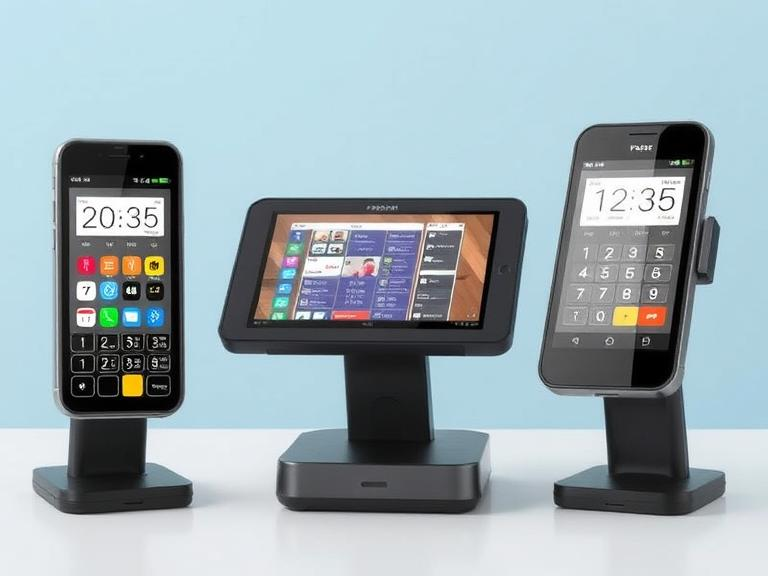
- Legacy POS Systems – These are the traditional systems found in big retail stores. They store data on local servers and often require manual updates.
- Tablet POS Systems – These systems run on iPads or Android tablets, making them easy to move around.
- Mobile POS Systems – These work on smartphones and are great for businesses that operate on the go, like food trucks and pop-up shops.
- Cloud-Based POS Systems – These store all data online, so business owners can check reports and sales numbers from anywhere.
What is POS Modernization?
POS modernization means upgrading an old system with new features. Many businesses switch to cloud-based POS systems to keep up with changing customer demands. This allows for contactless payments, real-time sales tracking, and automatic software updates.
What is a POS System Example?
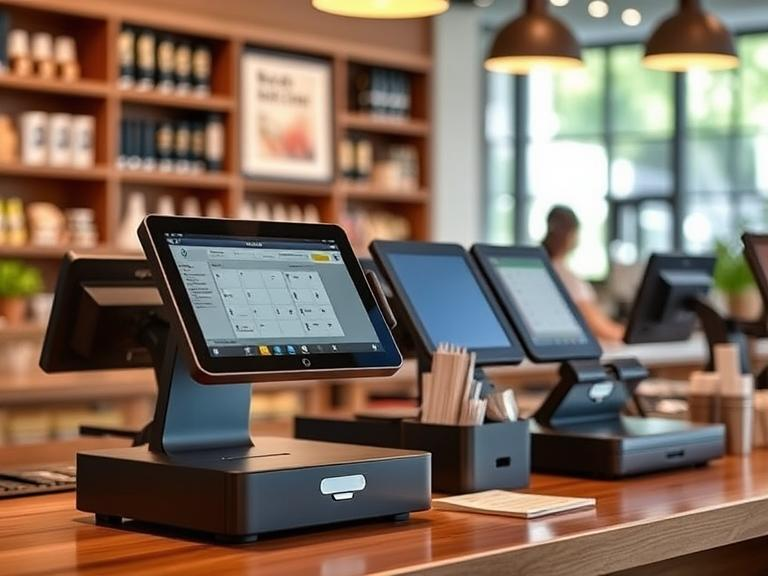
A simple example of a POS system is the setup at a coffee shop. When a customer orders a latte, the barista enters the order into a tablet, the customer pays with a card, and the system prints a receipt. The software automatically updates the inventory by reducing the number of milk cartons available.
What Are the Three Types of POS?
Besides the four main types of POS systems, there are also different categories based on business use:
- Retail POS Systems – Used in stores to manage sales, inventory, and customer data.
- Restaurant POS Systems – Designed for food service businesses, including table management and kitchen coordination features.
- Service-Based POS Systems – Ideal for salons, repair shops, and other appointment-based businesses.
Where Are POS Systems Used?
POS systems are found in many places, including:
- Grocery stores
- Restaurants and cafés
- Clothing stores
- Hotels
- Gyms and spas
- Gas stations
What is the POS System Method?
The POS system method refers to how businesses process sales. It includes:
- Product selection – The cashier or customer selects the item for purchase.
- Payment processing – The system calculates the total and accepts payment.
- Receipt generation – The customer gets a digital or printed receipt.
- Inventory update – The stock count automatically adjusts.
- Sales reporting – The owner can review daily, weekly, or monthly sales trends.
What Are the 5 Uses of a POS System?
A POS system does more than just accept payments. Here are five key uses:
- Sales Tracking – Keeps records of every transaction.
- Inventory Management – Updates stock levels automatically.
- Customer Management – Saves customer purchase history for better service.
- Employee Management – Tracks staff performance and work hours.
- Reporting and Analytics – Provides insights into business performance.
What is POS Technology?
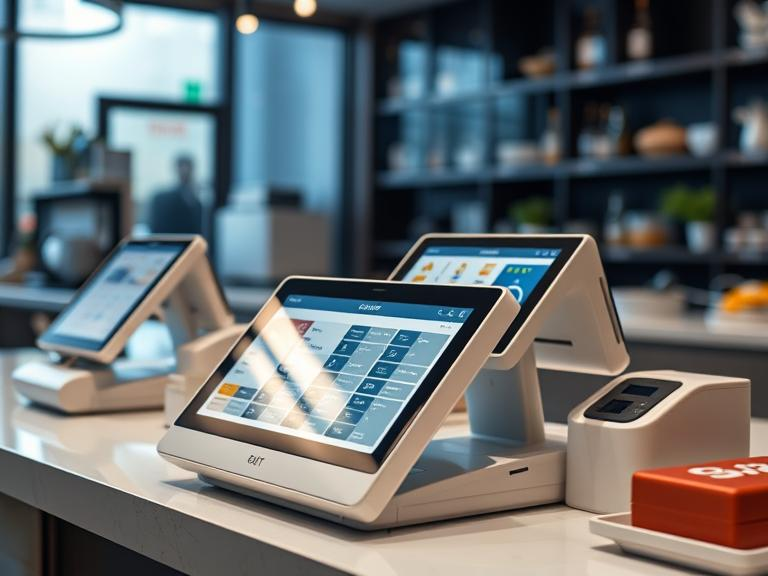
POS technology includes the hardware and software used to complete sales. Common components include:
- Touchscreen monitors
- Barcode scanners
- Receipt printers
- Credit card readers
- Cash drawers
What is POS and CRM System?
A POS system focuses on sales transactions, while a CRM (Customer Relationship Management) system helps businesses manage customer relationships. Many modern POS systems include CRM features, such as tracking customer purchases, storing contact details, and sending personalized offers.
How to Install Modern POS?
Installing a modern POS system is simple:
- Choose the right system – Pick a POS that fits your business size and type.
- Set up hardware – Install the touchscreen, scanner, and card reader.
- Install software – Download the POS app on your device.
- Customize settings – Add products, pricing, and tax details.
- Train employees – Teach staff how to use the system.
- Start selling – Begin processing transactions right away.
What is Online POS System?
An online POS system is a cloud-based solution that lets businesses process transactions through the internet. This means store owners can manage sales and inventory from any location without needing expensive hardware.
What is the Most Popular POS System?
Several POS systems are widely used, but some of the most popular include:
- Square – Best for small businesses.
- Shopify POS – Great for e-commerce and retail.
- Lightspeed – Ideal for restaurants and complex inventory management.
- Toast – Designed for restaurants.
- Epos Now – A flexible system for different industries.
What is the Future of POS System?
POS systems continue to evolve, with new trends shaping the industry:
- Contactless Payments – More businesses are using NFC (Near Field Communication) payments like Apple Pay and Google Pay.
- AI and Machine Learning – Smart systems analyze customer behavior and suggest ways to increase sales.
- Omnichannel Selling – Businesses integrate online and in-store sales for a smooth shopping experience.
- Voice-Activated Payments – New POS systems allow hands-free transactions.
Who Uses POS System?
Almost every business that sells products or services uses a POS system. This includes:
- Retail stores
- Restaurants and cafes
- Hotels
- Gyms
- Salons
- Gas stations
If you run a business and haven’t upgraded your POS system yet, now is the time. A modern POS system makes daily tasks easier, helps you track inventory, and keeps customers happy. Ready to find the best system for your needs? Compare options and pick the one that works best for you today!
FAQs
- What is a modern POS system?
A modern POS system is a digital tool for processing sales, managing inventory, and tracking customer data in real-time. - What are the 4 types of POS systems?
Legacy, tablet, mobile, and cloud-based POS systems cater to different business needs. - How does a POS system help businesses?
It speeds up sales, tracks inventory, manages customers, and provides sales reports. - What is the future of POS systems?
AI, contactless payments, voice-activated transactions, and cloud-based technology are shaping the future of POS systems. - Who uses POS systems?
Retail stores, restaurants, hotels, gyms, salons, and even gas stations use POS systems for efficient sales management.