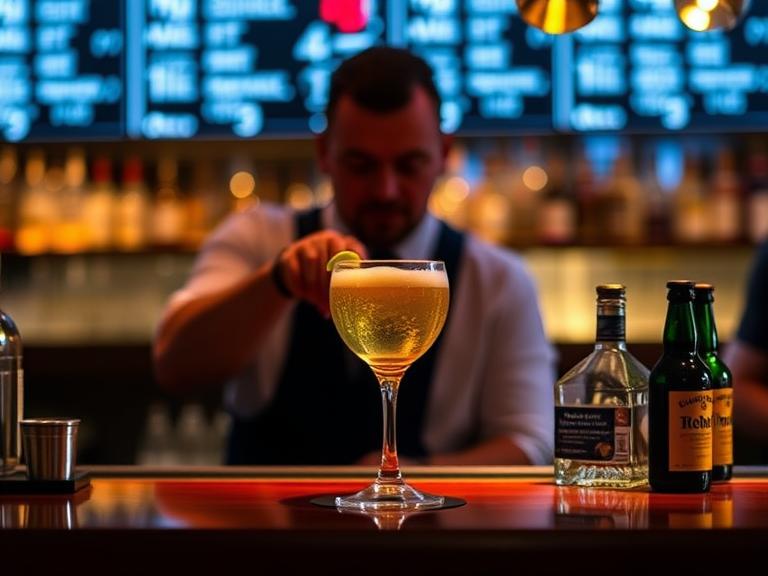

In the fast-paced world of bars and nightlife, efficiency, customer satisfaction, and operational streamlining are paramount. Enter QR code ordering for bars, a revolutionary technology transforming how bars manage orders, enhance guest experiences, and boost profitability. This in-depth guide explores how QR code ordering is reshaping bar point-of-sale (POS) systems, its benefits, implementation strategies, and why it’s poised to become the future of the industry. Whether you’re a bar owner, manager, or tech enthusiast, this article will provide actionable insights to leverage QR code ordering for maximum impact.
What is QR Code Ordering for Bars?
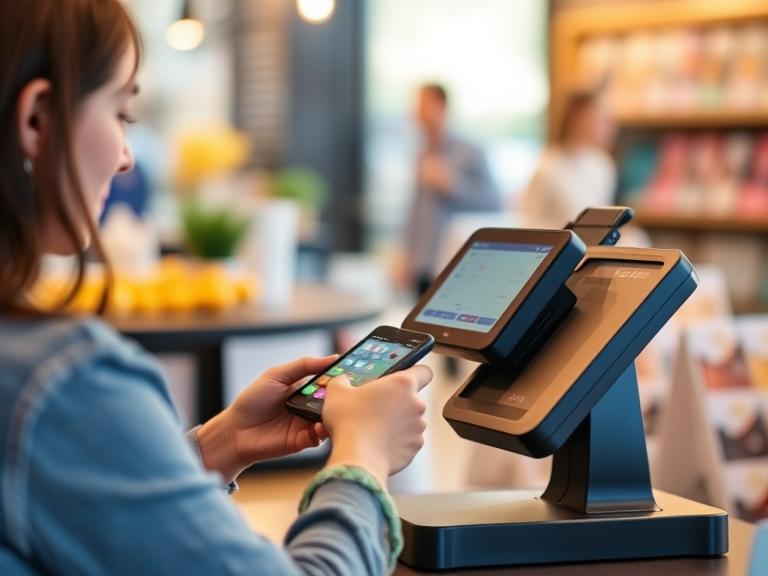
QR code ordering is a contactless system where customers scan a Quick Response (QR) code using their smartphones to access a digital menu, place orders, and make payments directly from their devices. Unlike traditional POS systems that rely on servers taking orders manually, QR code ordering empowers patrons to browse menus, customize orders, and pay seamlessly without staff intervention. For bars, this technology integrates with existing POS systems to streamline operations, reduce wait times, and enhance the overall customer experience.
Why QR Code Ordering Matters for Bars
Bars thrive on creating memorable experiences, but long wait times, order errors, and inefficient service can frustrate customers. QR code ordering addresses these pain points by:
- Speeding up service: Customers order directly, reducing the need for staff to shuttle between tables and the bar.
- Minimizing errors: Digital orders go straight to the kitchen or bar, eliminating miscommunication.
- Enhancing convenience: Patrons can order at their own pace, browse specials, and pay without waiting for a check.
- Boosting revenue: Faster service means more orders, while upselling features in digital menus encourage higher spending.
As mobile technology becomes ubiquitous—85% of Americans own smartphones, according to a 2021 Pew Research study—QR code ordering aligns perfectly with modern consumer habits.
The Evolution of Bar POS Systems
Traditional bar POS systems, while effective, rely heavily on manual processes. Servers take orders, input them into a terminal, and relay them to the bar or kitchen. This system, though reliable, is prone to human error, delays, and inefficiencies, especially during peak hours. QR code ordering represents the next evolution, blending digital innovation with the tactile, social environment of bars.
From Cash Registers to Cloud-Based Solutions
The journey of bar POS systems began with simple cash registers, evolved into touchscreen terminals, and now embraces cloud-based platforms. QR code ordering integrates with these modern systems, offering real-time data syncing, inventory tracking, and seamless payment processing. This shift reflects a broader trend toward digital transformation in the hospitality industry, where speed, accuracy, and customer engagement are critical.
Benefits of QR Code Ordering for Bars
Implementing QR code ordering for bars offers a multitude of advantages for both operators and customers. Let’s dive into the key benefits:
1. Enhanced Customer Experience
Customers value convenience and control. QR code ordering allows patrons to:
- Browse a visually appealing digital menu with detailed descriptions and images.
- Customize orders (e.g., “extra lime in my margarita” or “no ice in my whiskey”).
- Order and pay at their leisure, reducing pressure from busy staff.
- Reorder drinks with a single tap, perfect for busy nights or large groups.
By empowering customers, bars create a more relaxed and enjoyable experience, encouraging repeat visits. A 2022 Juniper Research report noted that nearly 1 billion smartphones scanned QR codes, highlighting their widespread adoption.
2. Increased Operational Efficiency
QR code ordering streamlines bar operations by:
- Reducing staff workload: Servers focus on delivering drinks and engaging with customers rather than taking orders.
- Speeding up order processing: Orders are sent directly to the bar or kitchen, cutting down on wait times.
- Minimizing errors: Digital orders eliminate misheard requests, ensuring accuracy.
For example, a busy nightclub can handle hundreds of orders per hour without overwhelming staff, thanks to automated order routing.
3. Boosted Revenue and Upselling Opportunities
Digital menus integrated with QR code ordering systems can:
- Suggest pairings (e.g., “Try our signature cocktail with your nachos!”).
- Highlight high-margin items or limited-time specials.
- Encourage add-ons, like extra shots or premium ingredients.
This strategic upselling can increase average order values by 10-20%, as reported by hospitality tech providers like Toast and Square.
4. Contactless and Hygienic
The COVID-19 pandemic accelerated the adoption of contactless solutions. QR Nataly, a QR code ordering system, ensures:
- No physical menus are passed between customers.
- Reduced contact between staff and patrons during ordering and payment.
- A safer, more hygienic environment, which remains a priority for health-conscious consumers.
5. Data-Driven Insights
QR code ordering systems provide valuable analytics, such as:
- Most popular menu items.
- Peak ordering times.
- Customer preferences and spending patterns.
These insights allow bar owners to optimize menus, adjust staffing, and tailor promotions to maximize profitability.
6. Cost Savings
Unlike traditional marketing materials, QR codes are cost-effective:
- No need to print new menus for every price or item change.
- Reduced labor costs due to streamlined operations.
- Lower error rates minimize waste from incorrect orders.
How to Implement QR Code Ordering in Your Bar
Adopting QR code ordering for bars requires careful planning to ensure a smooth rollout. Here’s a step-by-step guide:
Step 1: Choose the Right QR Code Platform
Select a QR code ordering system that integrates with your existing POS. Popular options include:
- Toast: Known for robust integrations and analytics.
- Square: User-friendly and affordable for small bars.
- SpotOn: Offers customizable digital menus and loyalty programs.
Ensure the platform supports mobile-optimized menus, secure payment processing, and real-time order syncing.
Step 2: Design a Mobile-Friendly Digital Menu
Create a digital menu that’s:
- Visually appealing: Use high-quality images and clear descriptions.
- Easy to navigate: Organize items into categories (e.g., Cocktails, Beers, Snacks).
- Optimized for mobile: Ensure fast loading and intuitive design for smartphones.
Include upsell prompts and limited-time offers to drive sales.
Step 3: Generate and Test QR Codes
Use a reliable QR code generator (e.g., QRStuff, Kaywa, or Uniqode) to create codes linking to your digital menu. Test each code to ensure it:
- Directs to the correct landing page.
- Scans easily from various angles and distances.
- Works on all major devices (iOS, Android).
Place QR codes on table tents, coasters, or posters, accompanied by a clear call-to-action (e.g., “Scan to Order & Pay!”).
Step 4: Train Staff and Educate Customers
- Staff training: Teach employees how to assist customers with QR code scanning and troubleshoot issues.
- Customer education: Use signage, social media, and staff prompts to guide patrons on using the system.
For example, a sign might read: “Scan this QR code to browse our menu, order your favorite drinks, and pay in seconds!”
Step 5: Monitor and Optimize
Track QR code performance using analytics tools to:
- Measure scan rates and order volumes.
- Identify popular items and peak times.
- Adjust menu design or promotions based on data.
Regularly update QR codes if menu URLs change to avoid broken links.
SEO Strategies for Promoting QR Code Ordering
To maximize the visibility of your QR code ordering for bars system, integrate SEO best practices into your marketing strategy. Here’s how:
1. Keyword Optimization
Incorporate relevant keywords into your website and blog content:
- Primary keyword: QR code ordering for bars
- Secondary keywords:
- Contactless ordering for bars
- Digital menu for bars
- Bar POS system innovations
- Mobile ordering for nightlife
- LSI keywords:
- Bar technology trends
- QR code menu benefits
- Fast bar service solutions
- Customer experience in bars
Use these keywords in:
- Page titles (e.g., “Revolutionize Your Bar with QR Code Ordering”).
- Meta descriptions (e.g., “Discover how QR code ordering for bars boosts efficiency and customer satisfaction. Learn more!”).
- Headings, subheadings, and body content.
- URL slugs (e.g., yourbar.com/qr-code-ordering).
2. Create High-Quality Content
Develop engaging content to attract organic traffic:
- Blog posts: “Why QR Code Ordering is a Game-Changer for Bars” or “5 Ways QR Codes Boost Bar Profits.”
- Case studies: Showcase success stories from bars using QR code ordering.
- Videos: Demonstrate how customers can scan and order in seconds.
- Infographics: Highlight stats, like “80% of customers prefer contactless ordering.”
3. Local SEO for Bars
Optimize for local searches to attract nearby patrons:
- Claim and optimize your Google My Business listing.
- Include location-specific keywords (e.g., “QR code ordering for bars in [City]”).
- Encourage customer reviews via QR codes linking to review platforms.
4. Social Media Integration
Share QR codes on social media to drive traffic:
- Post QR codes linking to your digital menu or promotions on Instagram, Facebook, and Twitter.
- Use hashtags like #QRCodeOrdering and #BarTech to increase visibility.
- Create engaging posts, such as “Scan this QR code for 10% off your next drink!”
5. Backlink Building
Earn backlinks to boost your site’s authority:
- Guest post on hospitality or tech blogs about QR code ordering trends.
- Partner with local influencers to promote your QR code system.
- Submit press releases about your bar’s innovative technology.
6. Mobile Optimization
Since QR codes are scanned via smartphones, ensure your website and digital menu are mobile-friendly:
- Use responsive design for fast loading and easy navigation.
- Optimize images to reduce load times.
- Test on multiple devices to ensure compatibility.
Challenges and Solutions for QR Code Ordering
While QR code ordering for bars offers significant benefits, challenges may arise. Here’s how to address them:
Challenge 1: Customer Adoption
Some patrons may be unfamiliar with QR codes or hesitant to use them.
- Solution: Provide clear instructions (e.g., “Scan with your phone’s camera”) and offer staff assistance. Promote benefits like speed and convenience through signage and social media.
Challenge 2: Technology Barriers
Not all customers have smartphones or reliable internet access.
- Solution: Maintain a limited number of physical menus as a backup and ensure your bar offers free Wi-Fi.
Challenge 3: Security Concerns
QR codes can be vulnerable to tampering or phishing.
- Solution: Use secure, dynamic QR codes that allow URL updates without changing the code. Regularly test codes and monitor for suspicious activity.
Challenge 4: Integration with Existing Systems
Some POS systems may not support QR code ordering.
- Solution: Choose a QR code platform with robust integrations (e.g., Toast, Square) and work with a tech consultant to ensure seamless setup.
Real-World Examples of QR Code Ordering Success
Case Study 1: The Tipsy Tavern
A popular urban bar implemented QR code ordering via Toast in 2023. Results:
- 30% reduction in order processing time.
- 15% increase in average order value due to upsell prompts.
- 25% more customer reviews via QR-linked review pages.
Case Study 2: Nightlife Nook
This nightclub used Square’s QR code system to manage high-volume orders. Outcomes:
- Handled 500+ orders per hour during peak times.
- Reduced staff errors by 40%.
- Gained insights into top-selling cocktails, optimizing inventory.
The Future of QR Code Ordering in Bars
As technology evolves, QR code ordering for bars will continue to advance. Emerging trends include:
- Integration with AI: Personalized menu recommendations based on past orders.
- Blockchain for security: Ensuring QR codes are tamper-proof and data is secure.
- Augmented Reality (AR): Interactive menus with 3D cocktail visuals or virtual bartenders.
- Loyalty programs: QR codes linking to rewards programs to encourage repeat visits.
By 2030, QR code ordering is expected to dominate the hospitality industry, with bars leading the charge due to their fast-paced, high-volume nature.
Best Practices for QR Code Ordering Success
To ensure your QR code ordering for bars strategy thrives, follow these best practices:
- Clear CTAs: Tell customers what to expect (e.g., “Scan for our full cocktail menu!”).
- High-quality design: Use sharp, scannable QR codes with your bar’s branding.
- Regular testing: Verify that the codes work across devices and locations.
- Analytics tracking: Monitor scan rates and customer behavior to refine your approach.
- Mobile optimization: Ensure landing pages load quickly and are user-friendly.
Conclusion
QR code ordering for bars is more than a trend—it’s the future of bar POS systems. By embracing this technology, bars can enhance customer experiences, streamline operations, boost revenue, and stay ahead in a competitive market. From contactless convenience to data-driven insights, QR code ordering empowers bars to meet modern consumer demands while optimizing efficiency. Start implementing QR code ordering today, and position your bar as a leader in the digital hospitality revolution.
Ready to transform your bar? Invest in a QR code ordering system, optimize your digital presence with SEO, and watch your business thrive. Scan the future—your customers are waiting!